Bugatti has been making high-performing, luxurious cars since 1909. In 1998, Volkswagen bought the rights to make cars under the Bugatti name. In 2005, Bugatti released the 253 mph Veyron, which was the fastest production car at that time. In 2007, an American independent automotive company, Shelby Supercars (SSC), released the 257 mph Ultimate Aero TT. Volkswagen and Bugatti were not pleased. In 2010, in order recapture the fastest production car title, Volkswagen and Bugatti released the Bugatti Veyron Super Sport. On June 26, 2010, on the Volkswagen test track while taping a review for Top Gear, the Veyron Super Sport reached a speed of 267.856 mph, dethroning the SSC Ultimate Aero TT as the fastest production car.
I first saw the Bugatti Veyron Super Sport at the 2011 Houston Classy Chassis: Concours d'Elegance. There was a consistent large crowd around the car. There was a 1930 Duesenberg Model J, 1931 Bugatti Type 40A Roadster, and a 1922 Hispano Suiza H6B Labourdette Skiff near the Veyron Super Sport, yet it was the Veyron Super Sport that got more attention than these three legendary cars. My first thought on the Bugatti Veyron Super Sport is this is one exciting car. When I see pictures of the Veyron Super Sport, it has a two-tone paint job with black on top, orange on the bottom, and orange wheels. The Veyron Super Sport on displayed had a beautiful dark blue paint job. No matter where Bugatti Veyron Super Sport is, it will always stand in a crowd. There is nothing on the road like a Bugatti.
The Bugatti Veyron Super Sport is powered by a quad-turbocharged W16 engine, paired with a seven-speed DSG semi-automatic transmission, that produces 1184 hp and 1,100 lb-ft of torque. It takes this car just 2.2 seconds to go from 0 to 60 mph. The top speed is electronically limited to 258 mph to protect the tires. The record run was done using a different set of tires and the limiter was turned off. Only thirty Veyron Super Sports will be produced, and each one will cost $2.4 million. The Veyron Super Sport is 447 lbs lighter than the standard Veyron. The standard Veyron cost $1.44 million when it was first released. The Veyron Super Sport is nearly $1 million dollars more expensive than the standard Veyron.
Top Gear's James May drove the Bugatti Veyron on the Volkswagen test track during Series 15, Episode 5. He reached a speed over 258 mph. His speed was latter beaten by the Bugatti test driver, Pierre Henri Raphanel. The Stig drove the Bugatti around the Top Gear test track in 1:16.8. It was the fastest car around the test track until the V8 Ariel Atom went around the test track in 1:15.1. The Bugatti Veyron Super Sport is playable in Test Drive Unlimited 2 ($1.00 DLC) and in Need For Speed: Hot Pursuit (part of the $7.00 Super Sport Pack DLC).
Final Thought: This is one very quick, extremely fast, bank-breaking car. There is nothing like it on the roads. Only thirty will be made, so those who are fortunate to get a Veyron Super Sport will be part of a highly exclusive club. Cars like the Bugatti Veyron, the SSC Ultimate Aero TT, and the Bugatti Veyron Super Sport push the limits of what a car can do. I wonder what SSC's responds to the Bugatti Veyron Super Sport.
CarJunkie
Photo taken from a digital camera
Followers
Powered by Blogger.
Showing posts with label bugatti. Show all posts
Monday, June 13, 2011
Sunday, May 29, 2011
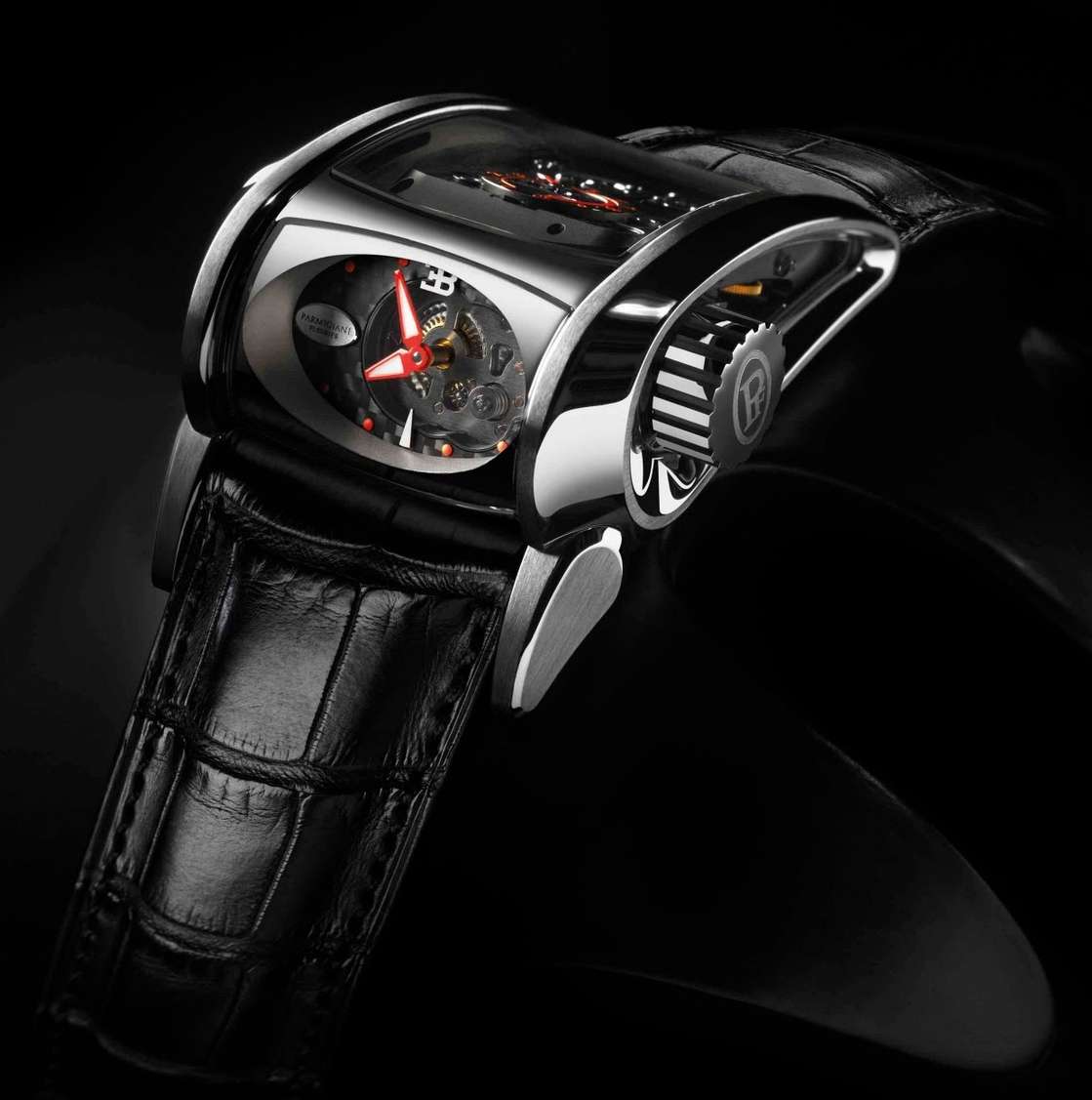
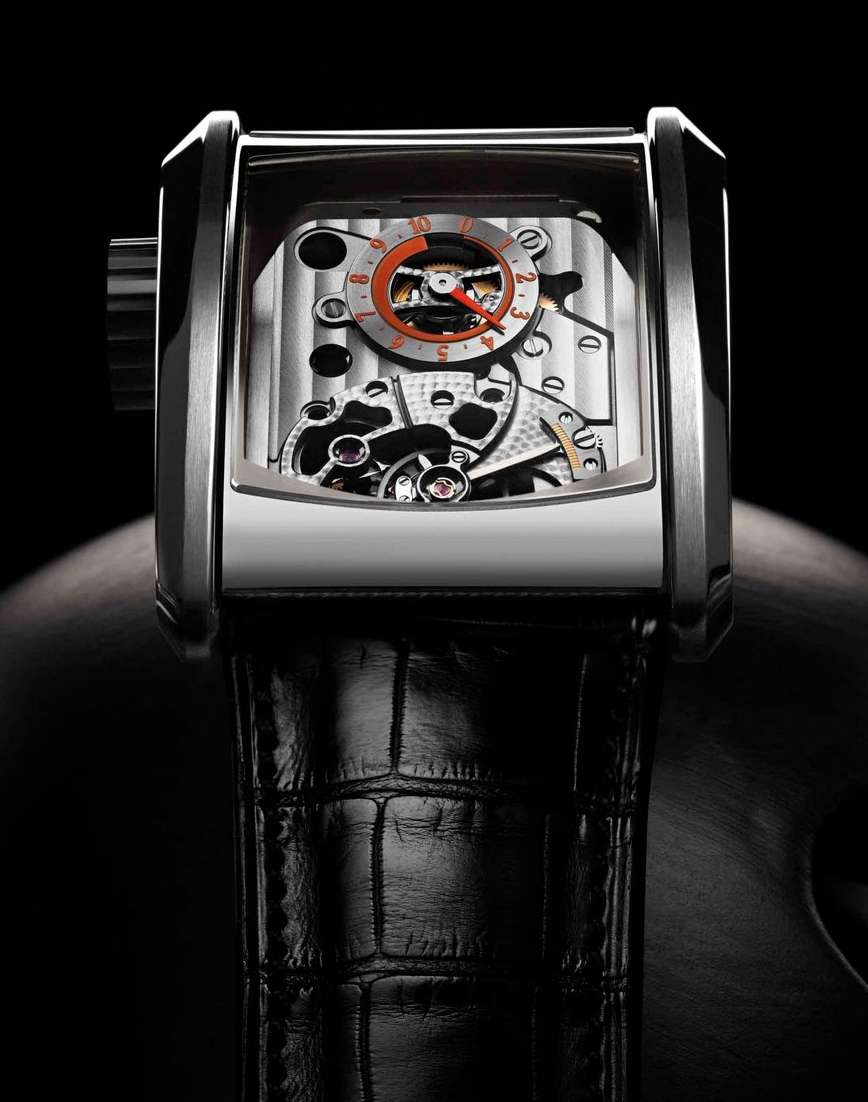
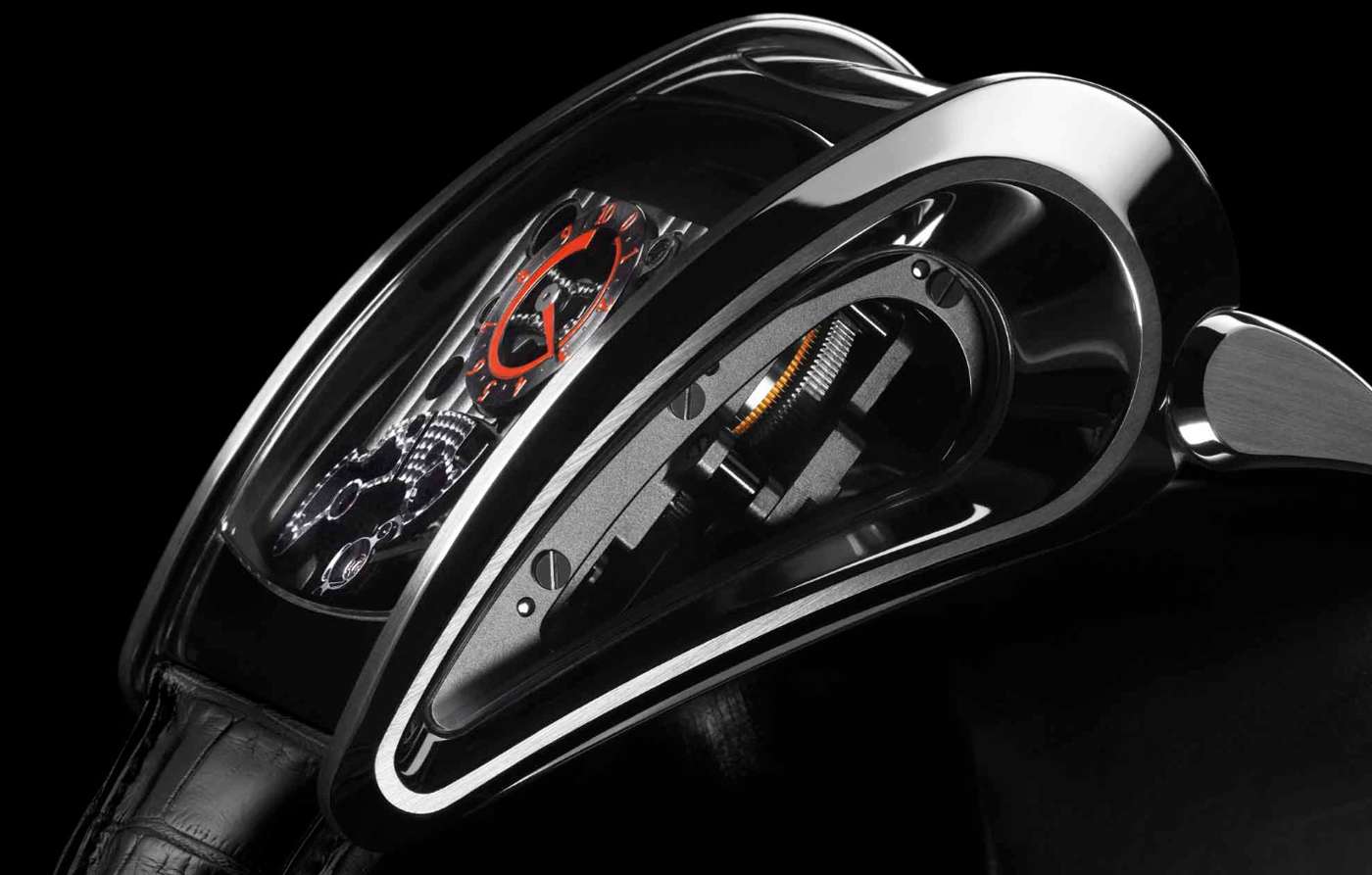
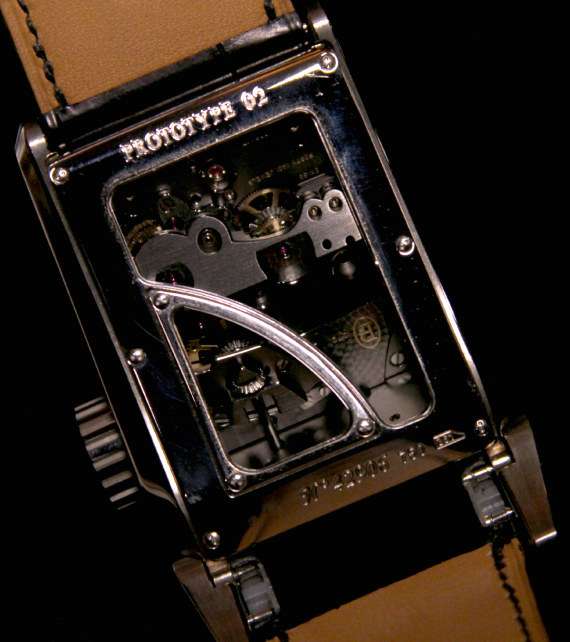
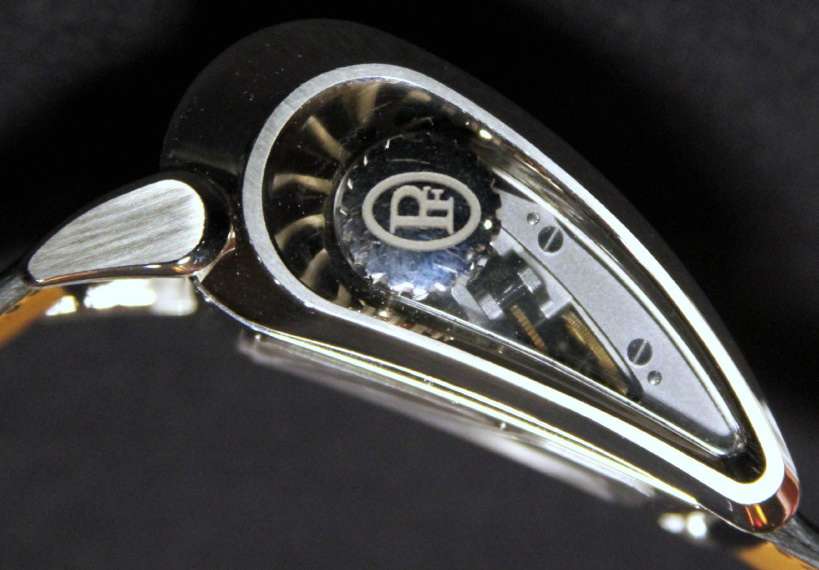
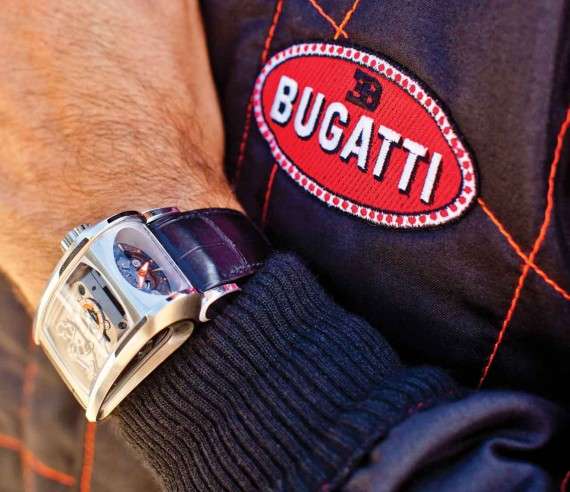
The best car-related watches of the world - Bugatti Super Sport Watch by Parmigiani Fleurier
Movement Calibre PF 372 / 21.600 half-rotations per minute / 40 jewels / 337 parts / hand winding / power reserve 10 days / 18K white gold case, 36 x 51 x 23 mm / Herm�s alligator strap, white gold buckle / Limited edition (30 watches) / USD 259.000
(click images for a larger view)


(click images for a larger view)
Labels:
bugatti,
limited edition,
parmigiani fleurier,
super sport,
watch
Saturday, May 14, 2011
Mitsubishi Outlander GT Review
The new-for-2010 Mitsubishi Outlander GT this is why it is different for a site with a cool combination of luxury seven-seat and traction control. Occupying the upper layers of the family Outlander, Mitsubishi Outlander GT uses quality materials and advanced functionality with a sense of luxury. A redesigned outer joins an available IC � Handsfree System Link and superior all-weather capacity derived Lancer Evolution Super-All Wheel Control (S-AWC) system. Mitsubishi Outlander GT receives a revised 3.0-liter V6 engine mated to a six-speed automatic transmission speed Sportronic .
Powered by a V6 MIVEC updated facilities, the Mitsubishi Outlander GT offers more power without sacrificing fuel economy. Be enhanced by improving the intake and compression ratio, Mitsubishi's engineers have managed to remove 230 hp @ 6250 rpm and 215 Nm and a maximum torque of 3750 rpm. Increasing the efficiency of the engine has also allowed the Mitsubishi Outlander GT to reduce the carbon footprint and CO2 emissions.
To complement the fine food is the advanced driver control provided by Hill Start Assist and S-AWC. The S-AWC uses for the first time in front of the class differential active (AFD) and an electronic control system of the center differential that distributes the driving force intelligently from front to back and side to side to the front wheels. The driver is able to use an "asphalt, snow, or Lock" to toggle between modes, providing a hold full-time all-weather
The Sportronic � six-speed automatic are also selected manually using the steering column mounted paddle magnesium alloy. Transmission of the Mitsubishi Outlander GT also offers increased energy efficiency and vacant neutral Logic (INL). Automatically selecting neutral Outlander GT stops, fuel consumption.
The Mitsubishi Outlander GT is now a distinctive grille fighter jet before evoking Mitsubishi sports history of the family line-up. Backing up the looks is the addition of an aluminum roof all new Lancer Evolution in the light of inspiration, which helps lower the center of gravity. The bumper cover black design is also similar to that found on the Lancer Evolution. Emphasize the new face are the redesigned side skirts, rear bumper, mirrors and alloy wheels of 18 inches. A unique design element of both hatchback allows easy access to the storage area in the rear for loading and unloading. Bi-Xenon HID DRLs are now standard.
Inside, Mitsubishi Outlander GT represents a premium feel with a dashboard switch sewn leather and synthetic upper door trims and rear. Chrome also surrounds the air outlet knobs, automatic climate control rings. A new high contrast LCD display multi-colored instrument is on board to improve the visibility and the sporty feel of the Mitsubishi Outlander GT.
Standard User handsfree technology includes the FUSE Link System �, Bluetooth 2.0 enabled system advanced speech recognition for hands-free calls and wireless audio streaming. USB has been integrated into the FUSE system that allows voice command music by artist, genre, playlist, or album through the iPod � or USB memory stick is activated. A 710-watt (max.) Rockford-Fosgate � Premium Audio system with SIRIUS � satellite radio and an ultrasonic wave sensor-equipped security system are also standard on the Mitsubishi Outlander GT. A navigation system with hard drive with 40 GB of backup camera is also available, which now includes the 2010 Real-Time Traffic (RDS) service, no monthly fees.
Standard safety features for all Outlander models include Active Stability Control (ASC), an advanced front airbag with dual stage supplemental restraint system (SRS) with occupant sensors, standard front seat-mounted side airbags and side curtain airbags with a rollover sensor for front and second row of seats.
Powered by a V6 MIVEC updated facilities, the Mitsubishi Outlander GT offers more power without sacrificing fuel economy. Be enhanced by improving the intake and compression ratio, Mitsubishi's engineers have managed to remove 230 hp @ 6250 rpm and 215 Nm and a maximum torque of 3750 rpm. Increasing the efficiency of the engine has also allowed the Mitsubishi Outlander GT to reduce the carbon footprint and CO2 emissions.
To complement the fine food is the advanced driver control provided by Hill Start Assist and S-AWC. The S-AWC uses for the first time in front of the class differential active (AFD) and an electronic control system of the center differential that distributes the driving force intelligently from front to back and side to side to the front wheels. The driver is able to use an "asphalt, snow, or Lock" to toggle between modes, providing a hold full-time all-weather
The Sportronic � six-speed automatic are also selected manually using the steering column mounted paddle magnesium alloy. Transmission of the Mitsubishi Outlander GT also offers increased energy efficiency and vacant neutral Logic (INL). Automatically selecting neutral Outlander GT stops, fuel consumption.
The Mitsubishi Outlander GT is now a distinctive grille fighter jet before evoking Mitsubishi sports history of the family line-up. Backing up the looks is the addition of an aluminum roof all new Lancer Evolution in the light of inspiration, which helps lower the center of gravity. The bumper cover black design is also similar to that found on the Lancer Evolution. Emphasize the new face are the redesigned side skirts, rear bumper, mirrors and alloy wheels of 18 inches. A unique design element of both hatchback allows easy access to the storage area in the rear for loading and unloading. Bi-Xenon HID DRLs are now standard.
Inside, Mitsubishi Outlander GT represents a premium feel with a dashboard switch sewn leather and synthetic upper door trims and rear. Chrome also surrounds the air outlet knobs, automatic climate control rings. A new high contrast LCD display multi-colored instrument is on board to improve the visibility and the sporty feel of the Mitsubishi Outlander GT.
Standard User handsfree technology includes the FUSE Link System �, Bluetooth 2.0 enabled system advanced speech recognition for hands-free calls and wireless audio streaming. USB has been integrated into the FUSE system that allows voice command music by artist, genre, playlist, or album through the iPod � or USB memory stick is activated. A 710-watt (max.) Rockford-Fosgate � Premium Audio system with SIRIUS � satellite radio and an ultrasonic wave sensor-equipped security system are also standard on the Mitsubishi Outlander GT. A navigation system with hard drive with 40 GB of backup camera is also available, which now includes the 2010 Real-Time Traffic (RDS) service, no monthly fees.
Standard safety features for all Outlander models include Active Stability Control (ASC), an advanced front airbag with dual stage supplemental restraint system (SRS) with occupant sensors, standard front seat-mounted side airbags and side curtain airbags with a rollover sensor for front and second row of seats.
Labels:
bugatti
Bugatti EB 164 Veyron Review
The Bugatti Veyron 16.4 is the most powerful production car, more expensive, the fastest street-legal in the world with a proven top speed of over 400 kmh (407 km / h or mph 253). Reached full production in September 2005. The car is built by Volkswagen AG subsidiary Bugatti Automobiles SAS and is sold under the brand Bugatti. It is named after racing driver Pierre Veyron, who won the 24 Hours of Le Mans in 1939 for the original Bugatti firm.
Vehicle development began with the 1999 EB 18 / 3 cars "Bugatti" concept. Presented at the Tokyo Motor Show, which was similar in design and appearance of the final production of Bugatti cars. An important difference is the use EB 18 / 3 of a W18 engine with three banks of six cylinders. The Veyron was designed by Hartmut Warkuss Volkswagen instead of Italdesign Giugiaro, who had treated the three concepts before Bugatti.
VW Ferdinand Piech said the president of the Veyron production in the Geneva Motor Show 2001. It was promised to be the fastest, most powerful car and most expensive in history. Instead of the W18, the production model using a W16 engine VR6/WR8-style. First seen in 1999 Bentley Mulsanne straight concept, W16 would get four turbochargers, producing a quoted 1001 horsepower (see engine section for details on power). Top speed was promised about 403 km / h (250.4 mph), and the price has been announced for � 1 million (U.S. $ 1,300,000 at the time).
Development continued throughout 2001 and the EB 16 / 4 Veyron was promoted to "advanced concept" status. In late 2001, Bugatti announced that the car, officially called the Bugatti Veyron 16.4, which will enter production in 2003. However, the car had major problems during development. Achieving the necessary high-speed stability was difficult - one prototype was destroyed in an accident and another shot in a public ceremony in the Monterey Historics event in Mazda Raceway Laguna Seca. Production of the Veyron was delayed pending the resolution of these and other issues.
Piech retired this year as chairman of the Volkswagen group and was replaced by Bernd Pischetsrieder. The new chairman promptly sent the Veyron back to the drawing board for major changes. Neumann was replaced as Bugatti president by Thomas Bscher in December 2003 and significant changes were made to the Veyron under the direction of former VW engineer, Bugatti Engineering head Wolfgang Schreiber.
After leaving the car, it was reported that while each Veyron is being sold for � 840 000, the car's production costs are around � 5 million per vehicle. As Bugatti, Volkswagen and therefore are a waste, which has been likened by automotive journalist Jeremy Clarkson to Concorde, which are benchmarks of progress in technology and developed as exercises in engineering.
In the case of a Veyron, it will take several years before Volkswagen will be able to see if their investment in the development of innovative technologies have been successful. An important measure is how much (if any) of the technology developed for the Veyron finds use in cars.
The first Veyron personal property made its debut in front of the Hotel de Paris in Monte Carlo during the Grand Prix 2005.
Specifications
The Veyron features a W16 engine-16 cylinders in 4 banks of 4 cylinders, the equivalent of two V8 engines mated in narrow-angle V-configuration Each cylinder has four valves, for a total of 64, but the narrow V8 configuration allows two camshafts to drive two banks of cylinders so only need four camshafts. The engine is fed by four turbochargers and displaces 8.0 L (7993 cc/488 in �) with a square of 86 by 86 mm bore and stroke.
Put this power to the ground is a dual-clutch DSG computer-controlled manual transmission with paddle shifter 7 speed driving time to enjoy a round of 8 ms. The Veyron can be driven by a fully automatic transmission. The Veyron also features full-time all-wheel drive developed by Haldex helping to transfer power to the road. Uses special Michelin run-flat tires designed specifically for the Veyron to accommodate the speed of the vehicle.
step of the car is 2700 mm (106.3 in). The total length is 4,466 mm (175.8 in). It measures 1,998 mm (78.7 in) wide and 1206 mm (47.5 inches).
Curb weight is estimated at 4160 pounds (1890 kg). power of this car to weight ratio of 529 hp / ton.
Performance
According to Volkswagen, the final production Veyron engine produces between 1020 and 1040 metric hp (1006 to 1026 SAE net hp), then a car advertised as producing "1001 horsepower", and U.S. and European markets. This makes it the most powerful standard road car in history. Torque of 1250 Nm (922 lbf ft �).
Top speed was initially promised to be 252 mph (406 kph), but test versions were unstable at that speed, forcing a redesign of the aerodynamics. In May 2005, a prototype Veyron tested at a Volkswagen track near Wolfsburg, Germany recorded an electronically limited top speed of 400 km / h (249 mph). In October 2005, driven a car and driver magazine's editor Csaba Csere testing of the final production of the Veyron to the 2005 edition in November. This test, the test track Ehra-Lessien Volkswagen, reaches a maximum speed of 253 mph (407 kmh).
Veyron is the fastest production car to reach 100 km / h (62 mph) and the estimated time of 2.5 seconds. It also makes the 200 and 300 km / h (124 and 186 km / h) and 7.3 and 16.7 seconds respectively. It should also be noted that the Veyron is a time 0-200 mph (0-322 km / h) is faster than the McLaren F1's 120-200 mph (193-322 km / h) time. This makes the Veyron the fastest-accelerating vehicles in history. It also consumes more fuel than any other production car, using L/100 40.4 km (4.82 mpg) in the urban cycle and 24.1 l/100 km (10 mpg) combined with the course. At full throttle, it uses more than 125 l/100 km (2.1 mpg)-at full throttle at full speed Veyron would empty its 100 L fuel tank is only 12.5 minutes. Cars and everyday top speed is listed at 234 mph (377 km / h). When the car reaches 137 mph (220 km / h), hydraulics lower the car until it has a height of about 3 1 / 2 inches (8.9 cm). Meanwhile, the use of the wings and spoilers.
This is a form of "management", in which the wing helps provide 770 pounds (3,425 newtons) of downforce and the car on the road. The driver has a key switch on the left side is to use the maximum speed of 253 mph (407 km / h). Theoretically, you can go faster, but is limited electronically to 253 km / h (407 mph) to prevent tire damage. Key functions only when the vehicle is stopped, when a checklist then establishes whether the car and the driver is ready to "top speed" mode. If all are in motion, withdraw from the rear spoiler, front valves closed and the ground clearance, normally 4.9 inches (12.4 cm) drops to 2.6 inches (6.6 cm).
The Veyron uses unique cons-drilled and vented carbon rotors of turbines for braking that draw in cooling air. Each caliper has eight titanium pistons. Bugatti claims maximum deceleration of 1.3 g on road tires. Prototypes have been subjected to repeated 1.0 g braking from 194 to 50 km / h (312 to 80 km / h) without fade. With formidable acceleration of the car from 50 to 194 km / h (80 to 312 km / h), tests may be performed every 22 seconds. At speeds above 124 mph (200 kph), including the rear wing acts as an airbrake, snapping to a 70 degree angle in 0.4 seconds when the brakes are applied, providing up 0.6 g (6 m / s �) deceleration. Bugatti Veyron claims will slow from 252 mph (406 km / h) to a stop in less than 10 seconds. The braking is also applied uniformly so that the car will not deviate from a straight path if the driver released the steering wheel, even with the brakes fully applied starting from the top speed close.
History
The development of the vehicle began with the 1999-EB 18 / 3 cars "Veyron" concept. Presented at the Tokyo Motor Show, it was similar in design and appearance of the final production Veyron car. A major difference is the use EB 18 / 3 of a W18 engine with three banks of six cylinders. The Veyron was designed by Volkswagen's Hartmut Warkuss rather than Giorgetto Giugiaro of Italdesign, who had treated the three concepts before Bugatti.
VW Chairman Ferdinand Piech announced the production Veyron at the Geneva Motor Show 2001. He pledged to be the fastest car, most powerful and most expensive in history. Instead of the W18, the production model using a W16 engine VR6/WR8-style. First seen in the concept car's 1999 Bentley Mulsanne straight, the W16 would have four turbochargers, producing a quoted 1001 horsepower (see engine section for more details on the production of energy). Top speed was promised at 403 km / h (250.4 mph), and announced the award of � 1 million (1.3 million U.S. dollars at the time).
Development continued in 2001 and the EB 16 / 4 Veyron was promoted to "advanced concept" status. In late 2001, Bugatti announced that the car, officially called the Bugatti Veyron 16.4, would come into production in 2003. But the car has experienced significant problems during development. Ensure stability at high speed was difficult - one prototype was destroyed in an accident and another shot in a public event at the historic Monterey Mazda Raceway Laguna Seca. Production of the Veyron was delayed pending the completion of these and other issues.
Pi�ch year-old retired chairman of the Volkswagen group and was replaced by Bernd Pischetsrieder. The new chairman promptly sent the Veyron back to the front of significant changes. Neumann was replaced by the chairman of Bugatti Thomas Bscher in December 2003, significant changes Veyron headed by former VW engineer, Bugatti Engineering head Wolfgang Schreiber.
After leaving the car, it was reported that while each Veyron is being sold for � 840 000, production costs of the car is about � 5 million per vehicle. As Bugatti, Volkswagen and therefore, to take such a loss, it was compared to the automotive journalist Jeremy Clarkson to Concorde, in that they are test-beds for advancements in technology and developed as engineering exercises.
In the case Veyron, it will be several years before Volkswagen will be able to see if their investment in developing advanced technology has paid off. One key measure is how much (if any), the technology has been developed Veyron need for production cars.
The first privately owned Veyron was debuted in front of the Hotel de Paris in Monte Carlo during the Grand Prix 2005 Gran.
Specifications
The Veyron features a W16 engine-16 cylinders in 4 banks of 4 cylinders, the equivalent of two V8 engines mated in narrow-angle V-configuration Each cylinder has four valves, for a total of 64, but the narrow V8 configuration allows two camshafts to drive two banks of cylinders so only need four camshafts. The engine is fed by four turbochargers and displaces 8.0 L (7993 cc/488 in �) with a square of 86 by 86 mm bore and stroke.
Put this power to the ground is a dual-clutch DSG computer-controlled manual transmission with paddle shifter 7 speed driving time to enjoy a round of 8 ms. The Veyron can be driven by a fully automatic transmission. The Veyron also features full-time all-wheel drive developed by Haldex helping to transfer power to the road. Uses special Michelin run-flat tires designed specifically for the Veyron to accommodate the speed of the vehicle.
car's wheelbase is 2700 mm (106.3 inches). The total length is 4,466 mm (175.8 inches). It measures 1,998 mm (78.7 inches) wide and 1206 mm (47.5 inches) tall.
The dry weight was estimated at � 4160 (1890 kg). This gives the car a power to weight ratio of 529 hp / tonne.
Performance
According to Volkswagen, the final production Veyron engine produces between 1020 and 1040 metric hp (1006 to 1026 SAE net hp), then a car advertised as producing "1001 horsepower", and U.S. and European markets. This makes it the most powerful standard road car in history. Torque of 1250 Nm (922 lbf ft �).
Top speed was initially promised 252 mph (406 kph), but the test versions were unstable at that speed forces the redesign of the aerodynamics. In May 2005, a prototype Veyron tested Volkswagen track near Wolfsburg, Germany, and recorded an electronically limited top speed of 400 km / h (249 mph). In October 2005, Car and Driver editor Csaba Csere test drove the final production version of the Veyron in the November 2005 issue. This test is Volkswagen's Ehra-Lessien test track, reached a top speed of 253 km / h (407 mph).
The Veyron is the fastest production car to reach 100 km / h (62 mph) the estimated time of 2.5 seconds. It also reaches 200 and 300 km / h (124 and 186 km / h) in 7.3 and 16.7 seconds respectively. It is also noted that the Veyron 0-200 km / h (0-322 km / h) is faster than the McLaren F1 120-200 mph (193-322 km / h) time. This makes the production of Bugatti automobiles faster acceleration of history. It also consumes more fuel than any other production car, with 40.4 km L/100 (4.82 mpg) city and 24.1 l/100 km (10 mpg) in combined cycle. At full throttle, which uses more than 125 l/100 km (2.1 miles per gallon), at full throttle, the Veyron will empty the tank of 100 liters of gasoline in just 12.5 minutes. every day of the car's speed is listed more than 234 mph (377 kmh). When the car reached 137 mph (220 km / h), hydraulics lower the car until you have a ground clearance of about 3 1 / 2 inches (8.9 cm). At the same time, the wing and spoiler deploy.
This is the "handling" mode, in which the wing helps provide � 770 (3425 newtons) of downforce, keeping the car on the road. The driver must, using the button, move the latch to the left of his seat to use the maximum speed of 253 mph (407 kph). Theoretically, you can go faster, but is limited electronically to 253 mph (407 km / h) to prevent tire damage. The main functions when the vehicle stops when a list then determines if the vehicle and its driver-are ready to activate the speed. "If all systems are in operation, the rear spoiler retracts, the air in front near diffusers and ground clearance, normally 4.9 inches (12.4 cm) is reduced to 2.6 inches (6.6 cm).
The Veyron uses unique cons-drilled and vented carbon rotors of turbines for braking that draw in cooling air. Each caliper has eight titanium pistons. Bugatti claims maximum deceleration of 1.3 g on road tires. Prototypes have been subjected to repeated 1.0 g braking from 194 to 50 km / h (312 to 80 km / h) without fade. With formidable acceleration of the car from 50 to 194 km / h (80 to 312 km / h), tests may be performed every 22 seconds. At speeds above 124 mph (200 kph), including the rear wing acts as an airbrake, snapping to a 70 degree angle in 0.4 seconds when the brakes are applied, providing up 0.6 g (6 m / s �) deceleration. Bugatti Veyron claims will slow from 252 mph (406 km / h) to a stop in less than 10 seconds. The braking is also applied uniformly so that the car will not deviate from a straight path if the driver released the steering wheel, even with the brakes fully applied starting from the top speed close.
Vehicle development began with the 1999 EB 18 / 3 cars "Bugatti" concept. Presented at the Tokyo Motor Show, which was similar in design and appearance of the final production of Bugatti cars. An important difference is the use EB 18 / 3 of a W18 engine with three banks of six cylinders. The Veyron was designed by Hartmut Warkuss Volkswagen instead of Italdesign Giugiaro, who had treated the three concepts before Bugatti.
VW Ferdinand Piech said the president of the Veyron production in the Geneva Motor Show 2001. It was promised to be the fastest, most powerful car and most expensive in history. Instead of the W18, the production model using a W16 engine VR6/WR8-style. First seen in 1999 Bentley Mulsanne straight concept, W16 would get four turbochargers, producing a quoted 1001 horsepower (see engine section for details on power). Top speed was promised about 403 km / h (250.4 mph), and the price has been announced for � 1 million (U.S. $ 1,300,000 at the time).
Development continued throughout 2001 and the EB 16 / 4 Veyron was promoted to "advanced concept" status. In late 2001, Bugatti announced that the car, officially called the Bugatti Veyron 16.4, which will enter production in 2003. However, the car had major problems during development. Achieving the necessary high-speed stability was difficult - one prototype was destroyed in an accident and another shot in a public ceremony in the Monterey Historics event in Mazda Raceway Laguna Seca. Production of the Veyron was delayed pending the resolution of these and other issues.
Piech retired this year as chairman of the Volkswagen group and was replaced by Bernd Pischetsrieder. The new chairman promptly sent the Veyron back to the drawing board for major changes. Neumann was replaced as Bugatti president by Thomas Bscher in December 2003 and significant changes were made to the Veyron under the direction of former VW engineer, Bugatti Engineering head Wolfgang Schreiber.
After leaving the car, it was reported that while each Veyron is being sold for � 840 000, the car's production costs are around � 5 million per vehicle. As Bugatti, Volkswagen and therefore are a waste, which has been likened by automotive journalist Jeremy Clarkson to Concorde, which are benchmarks of progress in technology and developed as exercises in engineering.
In the case of a Veyron, it will take several years before Volkswagen will be able to see if their investment in the development of innovative technologies have been successful. An important measure is how much (if any) of the technology developed for the Veyron finds use in cars.
The first Veyron personal property made its debut in front of the Hotel de Paris in Monte Carlo during the Grand Prix 2005.
Specifications
The Veyron features a W16 engine-16 cylinders in 4 banks of 4 cylinders, the equivalent of two V8 engines mated in narrow-angle V-configuration Each cylinder has four valves, for a total of 64, but the narrow V8 configuration allows two camshafts to drive two banks of cylinders so only need four camshafts. The engine is fed by four turbochargers and displaces 8.0 L (7993 cc/488 in �) with a square of 86 by 86 mm bore and stroke.
Put this power to the ground is a dual-clutch DSG computer-controlled manual transmission with paddle shifter 7 speed driving time to enjoy a round of 8 ms. The Veyron can be driven by a fully automatic transmission. The Veyron also features full-time all-wheel drive developed by Haldex helping to transfer power to the road. Uses special Michelin run-flat tires designed specifically for the Veyron to accommodate the speed of the vehicle.
step of the car is 2700 mm (106.3 in). The total length is 4,466 mm (175.8 in). It measures 1,998 mm (78.7 in) wide and 1206 mm (47.5 inches).
Curb weight is estimated at 4160 pounds (1890 kg). power of this car to weight ratio of 529 hp / ton.
Performance
According to Volkswagen, the final production Veyron engine produces between 1020 and 1040 metric hp (1006 to 1026 SAE net hp), then a car advertised as producing "1001 horsepower", and U.S. and European markets. This makes it the most powerful standard road car in history. Torque of 1250 Nm (922 lbf ft �).
Top speed was initially promised to be 252 mph (406 kph), but test versions were unstable at that speed, forcing a redesign of the aerodynamics. In May 2005, a prototype Veyron tested at a Volkswagen track near Wolfsburg, Germany recorded an electronically limited top speed of 400 km / h (249 mph). In October 2005, driven a car and driver magazine's editor Csaba Csere testing of the final production of the Veyron to the 2005 edition in November. This test, the test track Ehra-Lessien Volkswagen, reaches a maximum speed of 253 mph (407 kmh).
Veyron is the fastest production car to reach 100 km / h (62 mph) and the estimated time of 2.5 seconds. It also makes the 200 and 300 km / h (124 and 186 km / h) and 7.3 and 16.7 seconds respectively. It should also be noted that the Veyron is a time 0-200 mph (0-322 km / h) is faster than the McLaren F1's 120-200 mph (193-322 km / h) time. This makes the Veyron the fastest-accelerating vehicles in history. It also consumes more fuel than any other production car, using L/100 40.4 km (4.82 mpg) in the urban cycle and 24.1 l/100 km (10 mpg) combined with the course. At full throttle, it uses more than 125 l/100 km (2.1 mpg)-at full throttle at full speed Veyron would empty its 100 L fuel tank is only 12.5 minutes. Cars and everyday top speed is listed at 234 mph (377 km / h). When the car reaches 137 mph (220 km / h), hydraulics lower the car until it has a height of about 3 1 / 2 inches (8.9 cm). Meanwhile, the use of the wings and spoilers.
This is a form of "management", in which the wing helps provide 770 pounds (3,425 newtons) of downforce and the car on the road. The driver has a key switch on the left side is to use the maximum speed of 253 mph (407 km / h). Theoretically, you can go faster, but is limited electronically to 253 km / h (407 mph) to prevent tire damage. Key functions only when the vehicle is stopped, when a checklist then establishes whether the car and the driver is ready to "top speed" mode. If all are in motion, withdraw from the rear spoiler, front valves closed and the ground clearance, normally 4.9 inches (12.4 cm) drops to 2.6 inches (6.6 cm).
The Veyron uses unique cons-drilled and vented carbon rotors of turbines for braking that draw in cooling air. Each caliper has eight titanium pistons. Bugatti claims maximum deceleration of 1.3 g on road tires. Prototypes have been subjected to repeated 1.0 g braking from 194 to 50 km / h (312 to 80 km / h) without fade. With formidable acceleration of the car from 50 to 194 km / h (80 to 312 km / h), tests may be performed every 22 seconds. At speeds above 124 mph (200 kph), including the rear wing acts as an airbrake, snapping to a 70 degree angle in 0.4 seconds when the brakes are applied, providing up 0.6 g (6 m / s �) deceleration. Bugatti Veyron claims will slow from 252 mph (406 km / h) to a stop in less than 10 seconds. The braking is also applied uniformly so that the car will not deviate from a straight path if the driver released the steering wheel, even with the brakes fully applied starting from the top speed close.
History
The development of the vehicle began with the 1999-EB 18 / 3 cars "Veyron" concept. Presented at the Tokyo Motor Show, it was similar in design and appearance of the final production Veyron car. A major difference is the use EB 18 / 3 of a W18 engine with three banks of six cylinders. The Veyron was designed by Volkswagen's Hartmut Warkuss rather than Giorgetto Giugiaro of Italdesign, who had treated the three concepts before Bugatti.
VW Chairman Ferdinand Piech announced the production Veyron at the Geneva Motor Show 2001. He pledged to be the fastest car, most powerful and most expensive in history. Instead of the W18, the production model using a W16 engine VR6/WR8-style. First seen in the concept car's 1999 Bentley Mulsanne straight, the W16 would have four turbochargers, producing a quoted 1001 horsepower (see engine section for more details on the production of energy). Top speed was promised at 403 km / h (250.4 mph), and announced the award of � 1 million (1.3 million U.S. dollars at the time).
Development continued in 2001 and the EB 16 / 4 Veyron was promoted to "advanced concept" status. In late 2001, Bugatti announced that the car, officially called the Bugatti Veyron 16.4, would come into production in 2003. But the car has experienced significant problems during development. Ensure stability at high speed was difficult - one prototype was destroyed in an accident and another shot in a public event at the historic Monterey Mazda Raceway Laguna Seca. Production of the Veyron was delayed pending the completion of these and other issues.
Pi�ch year-old retired chairman of the Volkswagen group and was replaced by Bernd Pischetsrieder. The new chairman promptly sent the Veyron back to the front of significant changes. Neumann was replaced by the chairman of Bugatti Thomas Bscher in December 2003, significant changes Veyron headed by former VW engineer, Bugatti Engineering head Wolfgang Schreiber.
After leaving the car, it was reported that while each Veyron is being sold for � 840 000, production costs of the car is about � 5 million per vehicle. As Bugatti, Volkswagen and therefore, to take such a loss, it was compared to the automotive journalist Jeremy Clarkson to Concorde, in that they are test-beds for advancements in technology and developed as engineering exercises.
In the case Veyron, it will be several years before Volkswagen will be able to see if their investment in developing advanced technology has paid off. One key measure is how much (if any), the technology has been developed Veyron need for production cars.
The first privately owned Veyron was debuted in front of the Hotel de Paris in Monte Carlo during the Grand Prix 2005 Gran.
Specifications
The Veyron features a W16 engine-16 cylinders in 4 banks of 4 cylinders, the equivalent of two V8 engines mated in narrow-angle V-configuration Each cylinder has four valves, for a total of 64, but the narrow V8 configuration allows two camshafts to drive two banks of cylinders so only need four camshafts. The engine is fed by four turbochargers and displaces 8.0 L (7993 cc/488 in �) with a square of 86 by 86 mm bore and stroke.
Put this power to the ground is a dual-clutch DSG computer-controlled manual transmission with paddle shifter 7 speed driving time to enjoy a round of 8 ms. The Veyron can be driven by a fully automatic transmission. The Veyron also features full-time all-wheel drive developed by Haldex helping to transfer power to the road. Uses special Michelin run-flat tires designed specifically for the Veyron to accommodate the speed of the vehicle.
car's wheelbase is 2700 mm (106.3 inches). The total length is 4,466 mm (175.8 inches). It measures 1,998 mm (78.7 inches) wide and 1206 mm (47.5 inches) tall.
The dry weight was estimated at � 4160 (1890 kg). This gives the car a power to weight ratio of 529 hp / tonne.
Performance
According to Volkswagen, the final production Veyron engine produces between 1020 and 1040 metric hp (1006 to 1026 SAE net hp), then a car advertised as producing "1001 horsepower", and U.S. and European markets. This makes it the most powerful standard road car in history. Torque of 1250 Nm (922 lbf ft �).
Top speed was initially promised 252 mph (406 kph), but the test versions were unstable at that speed forces the redesign of the aerodynamics. In May 2005, a prototype Veyron tested Volkswagen track near Wolfsburg, Germany, and recorded an electronically limited top speed of 400 km / h (249 mph). In October 2005, Car and Driver editor Csaba Csere test drove the final production version of the Veyron in the November 2005 issue. This test is Volkswagen's Ehra-Lessien test track, reached a top speed of 253 km / h (407 mph).
The Veyron is the fastest production car to reach 100 km / h (62 mph) the estimated time of 2.5 seconds. It also reaches 200 and 300 km / h (124 and 186 km / h) in 7.3 and 16.7 seconds respectively. It is also noted that the Veyron 0-200 km / h (0-322 km / h) is faster than the McLaren F1 120-200 mph (193-322 km / h) time. This makes the production of Bugatti automobiles faster acceleration of history. It also consumes more fuel than any other production car, with 40.4 km L/100 (4.82 mpg) city and 24.1 l/100 km (10 mpg) in combined cycle. At full throttle, which uses more than 125 l/100 km (2.1 miles per gallon), at full throttle, the Veyron will empty the tank of 100 liters of gasoline in just 12.5 minutes. every day of the car's speed is listed more than 234 mph (377 kmh). When the car reached 137 mph (220 km / h), hydraulics lower the car until you have a ground clearance of about 3 1 / 2 inches (8.9 cm). At the same time, the wing and spoiler deploy.
This is the "handling" mode, in which the wing helps provide � 770 (3425 newtons) of downforce, keeping the car on the road. The driver must, using the button, move the latch to the left of his seat to use the maximum speed of 253 mph (407 kph). Theoretically, you can go faster, but is limited electronically to 253 mph (407 km / h) to prevent tire damage. The main functions when the vehicle stops when a list then determines if the vehicle and its driver-are ready to activate the speed. "If all systems are in operation, the rear spoiler retracts, the air in front near diffusers and ground clearance, normally 4.9 inches (12.4 cm) is reduced to 2.6 inches (6.6 cm).
The Veyron uses unique cons-drilled and vented carbon rotors of turbines for braking that draw in cooling air. Each caliper has eight titanium pistons. Bugatti claims maximum deceleration of 1.3 g on road tires. Prototypes have been subjected to repeated 1.0 g braking from 194 to 50 km / h (312 to 80 km / h) without fade. With formidable acceleration of the car from 50 to 194 km / h (80 to 312 km / h), tests may be performed every 22 seconds. At speeds above 124 mph (200 kph), including the rear wing acts as an airbrake, snapping to a 70 degree angle in 0.4 seconds when the brakes are applied, providing up 0.6 g (6 m / s �) deceleration. Bugatti Veyron claims will slow from 252 mph (406 km / h) to a stop in less than 10 seconds. The braking is also applied uniformly so that the car will not deviate from a straight path if the driver released the steering wheel, even with the brakes fully applied starting from the top speed close.
Labels:
bugatti
Bugatti Galibier Concept Review
Remember the Bugatti 16C Galibier concept? Unveiled last year's Frankfurt show a very select audience, "four-door Veyron" is a concept for now, but the images have emerged showing the Galibier black, looks much more elegant than the original car, which was two-tone and the blue mirror like finish aluminum.
Black allows us to focus more on the Galibier interesting detail 8.0-liter W16 power and body shape. The chrome strip that starts from the base of the pillar is wrapped around the door and continues after the front wheels to make a loop with the other hand, interrupted only by imposing grille. Sport exhaust rear slope of four to each side and a brake light column that divides the screen again. This column extends along the drive - looks like a fish when viewed from above.
Bugatti Galibier concept
The culmination of the ceremonies celebrating the centennial, Bugatti Automobiles SAS introduced to customers and opinion leaders to the concept Bugatti Galibier, destined to be the car most exclusive, elegant, powerful, and four doors in the global week last weekend in Molsheim. In the historic site where Ettore Bugatti, once laid the cornerstone of your business, current president of Bugatti, Dr. Ing. Franz-Josef Paefgen said that Bugatti 16C Galibier is one of several concept studies with which the company plans for the future of Bugatti.
Art - forms - Technology are the brand values ??that Ettore Bugatti and his son Jean-oriented one, in order to develop more powerful engines and styles of the noblest forms for each new model, which was devoid of quality, handling, speed and elegance. In this process, they tried again and again, without any compromise on new materials, so that the Bugatti was one of the first manufacturers to use aluminum parts to bodies, engine blocks and wheels.
Art - Moulds - Technology is also the brand values, such as design and construction team of Bugatti Automobiles SAS-oriented development of the Bugatti Galibier. With this concept car with four doors new Bugatti again assumes a leading role in using new combinations of materials. Thus, the body is constructed of hand parts in carbon fiber blue so that when turned on, the woven structure by speckle suppression. Carbon not only possess exceptionally high stiffness, but is also particularly light. The wings and the doors are polished aluminum.
Bugatti samples Galibier design challenge to combine sportiness with comfort and elegance of a modern four-door sedan. Basic structure of the excited nature-like Type 35 torpedo, which had already been taken and reinterprets the Bugatti Veyron. In a typical Bugatti grille, round headlights and large clamshell LED along the vehicle, which has become synonymous with identity, Jean Bugatti Type 57, this car is to drive the Bugatti genes in the modern world.
Under the hood, which folds the two sides remain there for a 16-cylinder engine with 8-liter two-stage compressor. What makes this engine special is that it was developed as a flex-fuel engine, and can optionally run on ethanol. Training wheels, ceramic brakes and specially designed new suspension design allows agile, even safer handling of a sedan of this size.
The interior reflects the basic design of the exterior. The dashboard has been reduced to essentially two main instruments located keep even the rearmost passengers regularly informed of the actual speed and performance history. Parmigiani, the Swiss manufacturer of quality watches that are created on removable Reverso Tourbillon for Bugatti Galibier, which can be worn on the wrist with a leather strap intelligently designed.
Black allows us to focus more on the Galibier interesting detail 8.0-liter W16 power and body shape. The chrome strip that starts from the base of the pillar is wrapped around the door and continues after the front wheels to make a loop with the other hand, interrupted only by imposing grille. Sport exhaust rear slope of four to each side and a brake light column that divides the screen again. This column extends along the drive - looks like a fish when viewed from above.
Bugatti Galibier concept
The culmination of the ceremonies celebrating the centennial, Bugatti Automobiles SAS introduced to customers and opinion leaders to the concept Bugatti Galibier, destined to be the car most exclusive, elegant, powerful, and four doors in the global week last weekend in Molsheim. In the historic site where Ettore Bugatti, once laid the cornerstone of your business, current president of Bugatti, Dr. Ing. Franz-Josef Paefgen said that Bugatti 16C Galibier is one of several concept studies with which the company plans for the future of Bugatti.
Art - forms - Technology are the brand values ??that Ettore Bugatti and his son Jean-oriented one, in order to develop more powerful engines and styles of the noblest forms for each new model, which was devoid of quality, handling, speed and elegance. In this process, they tried again and again, without any compromise on new materials, so that the Bugatti was one of the first manufacturers to use aluminum parts to bodies, engine blocks and wheels.
Art - Moulds - Technology is also the brand values, such as design and construction team of Bugatti Automobiles SAS-oriented development of the Bugatti Galibier. With this concept car with four doors new Bugatti again assumes a leading role in using new combinations of materials. Thus, the body is constructed of hand parts in carbon fiber blue so that when turned on, the woven structure by speckle suppression. Carbon not only possess exceptionally high stiffness, but is also particularly light. The wings and the doors are polished aluminum.
Bugatti samples Galibier design challenge to combine sportiness with comfort and elegance of a modern four-door sedan. Basic structure of the excited nature-like Type 35 torpedo, which had already been taken and reinterprets the Bugatti Veyron. In a typical Bugatti grille, round headlights and large clamshell LED along the vehicle, which has become synonymous with identity, Jean Bugatti Type 57, this car is to drive the Bugatti genes in the modern world.
Under the hood, which folds the two sides remain there for a 16-cylinder engine with 8-liter two-stage compressor. What makes this engine special is that it was developed as a flex-fuel engine, and can optionally run on ethanol. Training wheels, ceramic brakes and specially designed new suspension design allows agile, even safer handling of a sedan of this size.
The interior reflects the basic design of the exterior. The dashboard has been reduced to essentially two main instruments located keep even the rearmost passengers regularly informed of the actual speed and performance history. Parmigiani, the Swiss manufacturer of quality watches that are created on removable Reverso Tourbillon for Bugatti Galibier, which can be worn on the wrist with a leather strap intelligently designed.
Labels:
bugatti
2011 Bugatti Veyron Review
The current Bugatti Veyron is just to guide the production of 300 units and 230 of these have already spoken, we can expect continued well into the planning stage now. After an interview with the Dutch physician autotelegraaf site. Franz-Josef Paefgen CEO of Bugatti has confirmed a new model to come, or 2011 or 2012.
Details successor is still very little, but definitely follow in the footsteps Veyron is not a radical change in the direction of the historic mark. This clearly leaves a lot of speculation in the open, the original Veyron is a technological masterpiece of the 987hp 8.0-liter quad-turbo W16 engine and the policy requires that the computer people the next generation worse.
Recent rumors have pointed to a removable targa roof version and even a four-door sedan version, but retaining the exceptional performance of the Veyron is unlikely to be achieved with the weight and aerodynamic disadvantages of such a
Bugatti the budget should finally return to profit in 2010 and Paegen admitted this could lead to dare the world of motor sport - even though he is quick to stress that the Veyron is not based on a sports car.
The culmination of the series Veyron: Bugatti Veyron Super Sport
It had been a very popular model and a great success in racing, Ettore Bugatti customers often pushed the teacher to figure out the motor a few horses more for your future car. Bugatti Automobiles SAS has been in a similar situation when their existing customers asked the company not only to design their perspective different model second, but also to create a version with a more sporty driving experience and end. The result is a car with exceptionally high performance of 1200 hp (882 kW) experience that offers drivers a new dimension of excitement, with a maximum torque of 1,500 Nm and a limited top speed of 415 km an hour (for protect the tires), but the technique of Bugatti Veyron Super Sport is identical to the car registration. The first five Bugatti Veyron supercar production line is about a special series of their own, with the same configuration as the car land speed record.
Bugatti Veyron Super Sport is the result of further development of exclusive classic 1001 hp Bugatti Veyron 16.4, which was launched in 2005. This model offers an impressive array of features such as dual clutch seven-speed, ultra-precise curves of driving performance and excellent stability under braking and acceleration.
ongoing work of extreme performance ranges lead to new discoveries constantly, allowing engineers to develop the Bugatti Veyron in a direction in which the driver can reach new heights. Any modification is designed to produce a more powerful car for agile handling. expanded exchanges and over four turbochargers have been used to increase the power of 16-cylinder engine and the chassis has been thoroughly redesigned to maintain security in the extreme speed - travel through spring slightly higher, stronger, stabilizers and new shock absorbers a complex architecture originally developed for racing cars. This gives a much more precise control of the wheels and the car as a whole. With lateral acceleration up to 1.4 G and a better interaction between the tires and wheels of the intelligent system drive, the Bugatti Veyron Super Sport offers perfect handling and powerful acceleration even at 1500 Newton-meters out of turn.
The body has been refined to improve aerodynamic efficiency and maintain a perfect balance in all situations, while the structure of the carbon fiber monocoque full story ensures maximum torsional stiffness and passive safety features - low weight. The skin is made of composite materials in carbon fiber, and the new Bugatti Veyron Super Sport is available in 100 percent carbon clearlacquered demand conferences.
Dynamic aspect
Every detail in this car and not just its use of technology in the advanced motor sport brings us back to the pioneering spirit of founder Ettore Bugatti. This designer of genius comes from a family of artists, and his philosophy has always been to combine mechanical perfection and outer beauty. This philosophy is still alive and well on society, and the Bugatti Veyron sports are quite unique with all super surface modification is used to attract a greater performance of the car.
Bugatti Veyron Super Sport flat, elongated silhouette is immediately recognizable. The 16-cylinder engine draws its air from two NACA ducts integrated into the roof rather than by spoonfuls onto the engine. The front air intakes have been enlarged and redesigned, with the bottom extending elegantly on the sides to the wheel. The back seems sportier revised because of the double diffuser and a centrally arranged exhaust.
Bugatti has a tradition of making super-sporty versions of the models of success, usually with a racing chassis and supercharged engines. These cars are considered real racing machines for lovers of irreducible Bugatti. The success of the majority type 55 and type 57S, only forty, and each is built.
Bugatti Automobiles SAS has sold 260 Veyrons and 35 Grand Sports at the latest, of which 249 Veyrons and 22 of the Grand Sports had been delivered. Bugatti Veyron Super Sport will start production in autumn 2010 in Molsheim in one and the Veyron Grand Sport. The first five cars - known as the World Record Edition - are particularly exposed to carbon black and orange finish and is already sold.
Bugatti Veyron 16.4 Supersport appeared for the first time in public in California at Pebble Beach Concours weekend in mid-August 2010 and was presented to the quail, Monterey Historic Races at Laguna Seca and the concept lawn at Pebble Beach Concours 'Elegance.
Details successor is still very little, but definitely follow in the footsteps Veyron is not a radical change in the direction of the historic mark. This clearly leaves a lot of speculation in the open, the original Veyron is a technological masterpiece of the 987hp 8.0-liter quad-turbo W16 engine and the policy requires that the computer people the next generation worse.
Recent rumors have pointed to a removable targa roof version and even a four-door sedan version, but retaining the exceptional performance of the Veyron is unlikely to be achieved with the weight and aerodynamic disadvantages of such a
Bugatti the budget should finally return to profit in 2010 and Paegen admitted this could lead to dare the world of motor sport - even though he is quick to stress that the Veyron is not based on a sports car.
The culmination of the series Veyron: Bugatti Veyron Super Sport
It had been a very popular model and a great success in racing, Ettore Bugatti customers often pushed the teacher to figure out the motor a few horses more for your future car. Bugatti Automobiles SAS has been in a similar situation when their existing customers asked the company not only to design their perspective different model second, but also to create a version with a more sporty driving experience and end. The result is a car with exceptionally high performance of 1200 hp (882 kW) experience that offers drivers a new dimension of excitement, with a maximum torque of 1,500 Nm and a limited top speed of 415 km an hour (for protect the tires), but the technique of Bugatti Veyron Super Sport is identical to the car registration. The first five Bugatti Veyron supercar production line is about a special series of their own, with the same configuration as the car land speed record.
Bugatti Veyron Super Sport is the result of further development of exclusive classic 1001 hp Bugatti Veyron 16.4, which was launched in 2005. This model offers an impressive array of features such as dual clutch seven-speed, ultra-precise curves of driving performance and excellent stability under braking and acceleration.
ongoing work of extreme performance ranges lead to new discoveries constantly, allowing engineers to develop the Bugatti Veyron in a direction in which the driver can reach new heights. Any modification is designed to produce a more powerful car for agile handling. expanded exchanges and over four turbochargers have been used to increase the power of 16-cylinder engine and the chassis has been thoroughly redesigned to maintain security in the extreme speed - travel through spring slightly higher, stronger, stabilizers and new shock absorbers a complex architecture originally developed for racing cars. This gives a much more precise control of the wheels and the car as a whole. With lateral acceleration up to 1.4 G and a better interaction between the tires and wheels of the intelligent system drive, the Bugatti Veyron Super Sport offers perfect handling and powerful acceleration even at 1500 Newton-meters out of turn.
The body has been refined to improve aerodynamic efficiency and maintain a perfect balance in all situations, while the structure of the carbon fiber monocoque full story ensures maximum torsional stiffness and passive safety features - low weight. The skin is made of composite materials in carbon fiber, and the new Bugatti Veyron Super Sport is available in 100 percent carbon clearlacquered demand conferences.
Dynamic aspect
Every detail in this car and not just its use of technology in the advanced motor sport brings us back to the pioneering spirit of founder Ettore Bugatti. This designer of genius comes from a family of artists, and his philosophy has always been to combine mechanical perfection and outer beauty. This philosophy is still alive and well on society, and the Bugatti Veyron sports are quite unique with all super surface modification is used to attract a greater performance of the car.
Bugatti Veyron Super Sport flat, elongated silhouette is immediately recognizable. The 16-cylinder engine draws its air from two NACA ducts integrated into the roof rather than by spoonfuls onto the engine. The front air intakes have been enlarged and redesigned, with the bottom extending elegantly on the sides to the wheel. The back seems sportier revised because of the double diffuser and a centrally arranged exhaust.
Bugatti has a tradition of making super-sporty versions of the models of success, usually with a racing chassis and supercharged engines. These cars are considered real racing machines for lovers of irreducible Bugatti. The success of the majority type 55 and type 57S, only forty, and each is built.
Bugatti Automobiles SAS has sold 260 Veyrons and 35 Grand Sports at the latest, of which 249 Veyrons and 22 of the Grand Sports had been delivered. Bugatti Veyron Super Sport will start production in autumn 2010 in Molsheim in one and the Veyron Grand Sport. The first five cars - known as the World Record Edition - are particularly exposed to carbon black and orange finish and is already sold.
Bugatti Veyron 16.4 Supersport appeared for the first time in public in California at Pebble Beach Concours weekend in mid-August 2010 and was presented to the quail, Monterey Historic Races at Laguna Seca and the concept lawn at Pebble Beach Concours 'Elegance.
Labels:
bugatti
Monday, May 9, 2011
Los Angeles - bugatti galibier wallpapers and features reviews
The Bugatti Galibier 16C Concept has finally reached the US soil. This greatest sedan ever made will make its public debut in Los Angeles.


The long hood of the Bugatti Galibier truly reminds of the incredibly luxurious cars of the 20s, 30s, and 40s. In the past, long hoods made room for big engines but in today�s time it is considered luxurious
The Bugatti Galibier 16C Concept has finally reached the US soil. This greatest sedan ever made will make its public debut in Los Angeles.
Labels:
bugatti
Bugatti veyron super sport cars wallpapers
bugatti Veyron Super Sport is very amazing, besides performing with fantastic prices (the most expensive car in the world), Bugatti Veyron Super Sport comes with a powerful engine performance.W


ith a maximum capacity of 1,200 hp (standard edition Veyron 1001 hp), torque of 1106 lb-ft and the improved aerodynamic kit, Super Sport Veyron supercar has broken the world speed record for with commercial production cars at speeds of 431km / h and was recognized by Guinness. However, the version sold to customers Bugatti maximum speed limit is 415km / h.
bugatti Veyron Super Sport is very amazing, besides performing with fantastic prices (the most expensive car in the world), Bugatti Veyron Super Sport comes with a powerful engine performance.W
Labels:
bugatti
bugatti veyron wallpapers and reviews
The Veyron from Bugatti house is expected to come on the 16-cylinder W16 engine mounted in the separation of the two banks of eight cylinders. This engine has four turbochargers and replaced with 8.0 liters with a stroke and a hole 86 mm and 86 mm. This vehicle was designed by Ricardo.


Transmission in a vehicle consisting of a direct dual-clutch gearbox, manual gearbox is controlled by a computer with 7 gears
he Fastest Car in the world The Bugatti Veyron EB 16.4 is a mid-engine Grand Touring Car. The Super Sport version is the fastest production car in the world, with an average speed of 431.072 km / h (miles 267,856 hours). The original version has a top speed of 253.6 miles per hour (408.1 km / h)
The Veyron from Bugatti house is expected to come on the 16-cylinder W16 engine mounted in the separation of the two banks of eight cylinders. This engine has four turbochargers and replaced with 8.0 liters with a stroke and a hole 86 mm and 86 mm. This vehicle was designed by Ricardo.

Transmission in a vehicle consisting of a direct dual-clutch gearbox, manual gearbox is controlled by a computer with 7 gears
he Fastest Car in the world The Bugatti Veyron EB 16.4 is a mid-engine Grand Touring Car. The Super Sport version is the fastest production car in the world, with an average speed of 431.072 km / h (miles 267,856 hours). The original version has a top speed of 253.6 miles per hour (408.1 km / h)
Labels:
bugatti
2011 Bugatti Veyron Super Sport wallpapers and specification
Taking the once world�s fastest car and making it even �sportier� is nuts. But taking it to its top speed to prove its potential is even more nuts. Pierre Henri Raphanel, Bugatti�s official test driver did though, to achieve a new landspeed record for a production car in front of Guinness Book of Records officials.


The new Super Sport is only available in two-tone black and orange and is also known as the World Record Edition, appropriately. Power from the 8.0-litre W16 engine has been increased from 1001hp (746kW) to 1200hp (895kW). Torque has also been boosted somewhat, from 1250Nm to 1500Nm. Exclusive
Taking the once world�s fastest car and making it even �sportier� is nuts. But taking it to its top speed to prove its potential is even more nuts. Pierre Henri Raphanel, Bugatti�s official test driver did though, to achieve a new landspeed record for a production car in front of Guinness Book of Records officials.
He and the car managed an average speed of 431km/h.

The new Super Sport is only available in two-tone black and orange and is also known as the World Record Edition, appropriately. Power from the 8.0-litre W16 engine has been increased from 1001hp (746kW) to 1200hp (895kW). Torque has also been boosted somewhat, from 1250Nm to 1500Nm. Exclusive
Labels:
bugatti
Subscribe to:
Posts (Atom)
-
▼
2011
(2781)
-
▼
July
(398)
- Chrysler 200 Pictures and Wallpapers
- Nissan HD Wallpapers
- Audi Reviews and Pictures
- BMW Wallpaper HD
- Honda Wallpapers
- Ford GT40
- Ford Pictures
- If you look at the '07 Charger
- Florida Photo Caravan: Merritt
- ?????. Resto-cal.
- Subaru Trezia unveiled, rebadged Toyota Verso-S
- '41 Chevy Special DeLuxe Coupe
- Trabant with PICS and Updates - The Mk1 Golf Owner...
- FT/FS 1986 mitsubishi starion 2.6L 4cyl turbo RWD
- I'm tired of my silver 850 - Page 3 - Bimmerforums...
- The normal McLaren F1 features
- 1966 Alfa Romeo Giulia Coupe 1300 GT Junior | It's...
- Ferrari 360 Challenge Stradale
- 1966 Alfa Romeo Giulia Coupe 1300 GT Junior | It's...
- Citro�n 2CV6 "Picasso Citro�n" by Andy Saunders
- New lid for my Son's SC10--Old
- 1960 Lancia Flaminia Convertible | It's your auto ...
- TechArt Magnum Porsche Cayenne
- ??????????: Autobianchi
- Classic Car: Ferrari Daytona
- 25% Of Us Want An Orange C6! - Corvette Forum
- 2010 Morgan Aero Supersports 3
- opel astra coupe 2001
- Aangezien het weer niet echt super mooi was, zijn ...
- Rusty job has begun in july of 2006 ..not so good.
- Fornasari Racing Buggy
- 95 jeep wrangler
- Lamborghini Murci�lago LP670-4
- UPDATE: Shock! Honda cuts Jazz prices by more than...
- Mercedes teases the 2012 B-class, releases details
- Re: Jimbo's V6 Tigra Project
- Skoda Laura facelift around the corner, may get th...
- Tata Aria 4�2 Pleasure variant spied
- 2012 Audi A4 Facelift Spied
- Just watched Bahrain Quallifying - WOW! (spoilers)...
- mercedes benz car dealership
- What's so different out this
- alfa romeo 6c 1750
- Derrell's Pontiac Parisienne
- Alfa Romeo 6C 2500 | ?????
- bebe pod seat
- New Photo Gallery of U.S.-Spec 2012 Mercedes-Benz ...
- ???????? pony-car ?
- Kelleners Sport Tunes the BMW 1-Series M Coupe to ...
- Siemoneit Racing�s VW Golf R Black Pearl with up t...
- It Came From eBay Hell: Triumph TR3 with an Italia...
- And this is a Rat Rod site and
- dave dennis chrysler jeep
- infiniti 2008 download
- lincoln town car door
- ford connect vans
- suburban hummer
- ragtop cadillac
- reading my new book that came in today, �Getting F...
- bmw 1 serisi
- Here comes the new Maruti Swift!
- suzuki terenowe
- 1970-72 '70 Ford Escort 1.3XL
- 1981 volkswagen jetta
- chevrolet camaro sale
- Corvette HDR Pictures ...!! - Page 5 - LS1TECH
- Modified Fiat 126 1980 Picture
- Ferrari Fan's Trip to Hong Kong, 2010 - Skyscraper...
- suzuki mehran 2009
- 7 mazda
- kingdom hearts infinity
- Subaru's first ever Impreza
- mitsubishi engine swap
- belmont suzuki
- peugeot 3008 dimensions
- toyota flex
- Blaablaa, I think I have spoken too much, let�s sh...
- jeep trail rated badge
- 2002 dodge ram 1500 sport
- jaguar dildo harness
- Duct Tape And Tetanus - Girls Prewar Rat Rod Cruis...
- 1979 Pontiac Firebird v8 gasoline - Basic info - P...
- Mercedes-Benz E V12 Cabriolet by Brabus
- 1966 Alfa Romeo Giulia Coupe 1300 GT Junior | It's...
- nia seating
- Colored 3D carbon fiber sticker vinyl film for car...
- infinity rs 5 speaker
- used toyota yaris for sale
- KC Trends - 22 Giovanna Dalar custom Black/White o...
- dodge ram parts
- jeep cj frame
- accord wagon � Search Results
- 1934 Cadillac 452D V16 Images,
- loa mini
- Images 1964 pontiac parisienne
- 1983 Citroen 2CV 6 Charleston | It's your auto wor...
- dodge challenger 2009
- Vuong's Garage: Krappy's S14
- j4000 jeep
- Sprint GT / GTV Stuff For Sale - Alfa Romeo Bullet...
- bmw 540i review
- acer ferrari 4000 drivers
- Oldsmobile 1937 All, 1939 with
- roll royce
- Lamborghini's photovoltaic
- subaru motor finance
- jaguar lemans
- First Impression: Lamborghini Murcielago LP 670-4 ...
- saab 900 1996
- First Impression: Lamborghini Murcielargo
- mazda miata engine specs
- 2010 Ferrari 458 Italia Photo
- NISSAN Modification Wallpapers
- MERCEDES Best Pictures And Wallpapers
- AUDI Car Picture And Wallpaper
- Picasa Web Albums - reid - VESPA 400
- BMW Sport Car
- Ford Pictures And Wallpapers
- Volvo 780 by Bertone
- nissan rear bumper cover
- nissan maxima 1987
- Elvis Viva Las Vegas Wallpaper
- nissan sentra cars for sale
- 66healey's Austin-Healey 3000: Readers Rides: Clas...
- jaguar radiator
- seated dumbbell shoulder press
- mitsubishi a6m zero sen
- 1993 toyota tacoma
-
▼
July
(398)