


Showing posts with label opel. Show all posts
Showing posts with label opel. Show all posts
Friday, July 8, 2011








Tuesday, May 17, 2011
2012 Opel Ampera Review
The revolutionary Ampera Opel celebrated its world premiere at the 79th Salon de l'Automobile in Geneva. General Motors Europe President Carl-Peter Forster, said the extended-range electric vehicle and announced its intention to put the car into production in late 2011.
Ampera also be offered the right GD UK sister brand Opel, Vauxhall.

"Ampera is a further demonstration of electrification on the GM car," says Carl-Peter Forster. "It 's an innovative propulsion system Voltec electric type of game-changing technology industry is responsible for energy and the challenges environmental. "
Five doors, four seats Ampera influence the structure of the language of sculptural art Opel awarded accuracy Germany, which includes several innovative design tips Flextreme and GTC Concept car show
"There may be more appropriate to celebrate 110 years of Opel innovations in the automotive sector, as revealed by Ampera," said Alain Visser, Opel, GME Director.
Ampera wheels are electrically active at all times and speeds. For journeys of up to 60 kilometers (MVEG), powered by electricity stored in the 16-kWh, lithium-ion battery, and emits no CO2. When the battery runs out, the electricity of a motor-generator Ampera extends the range of over 500 km.

Opel Ampera can be plugged into a 230V outlet to charge. GM Europe is to analyze the requirements of a charging infrastructure for electric car batteries with energy companies, including Iberdrola of Spain.
The revolutionary Ampera Opel becomes the first "zero emission, electrically powered car in Europe is suitable for everyday driving. With its electric propulsion system Voltec provides strong acceleration and a high degree of sophistication, seats five-door Opel Ampera four passengers in comfort, offering a useful boot for their luggage, and has a wide range of over 500 km .
"Drive-mail is not only the ecology," says Global Vehicle Line Executive and chief engineer Frank Weber. "Driving is fun, even electronically. Instant, the torque of 370 Nm silent under his right foot seems to fly!"
Opel electric traction Ampera all times and speeds. For trips up to 60 kilometers (MVEG), energy is supplied by the electricity stored in the tip of 16 kWh, the lithium ion batteries.

driving power supplied to the battery, Ampera CO2 emissions to zero. When the battery power runs out, an engine generator seamlessly provides gasoline/E85-fueled electricity to power the unit while maintaining battery life. This approach will be extended to 500 miles, until the battery can be recharged by connecting the vehicle behind the obligation imposed on the normal 230v household outlet.
Opel Ampera gives the driver confidence and peace of mind
Unlike a conventional battery-electric vehicle Opel Ampera eliminates the "fear of" giving the confidence and peace of mind that the driver will not be stranded by a depleted battery.
"Advanced lithium-ion battery is the key to get into the hands of consumers Ampera," says Hans Demant, GME Vice President of Engineering. "The research and development center engineers in Mainz-Kastel, Germany to test the battery all day, 365 days a year to ensure that it meets the expectations of our customers."
Opel Ampera battery pack will be produced by GM plants producing lithium-ion first to be operated by a major automaker in the United States. More than 220 lithium-ion cells in a T-shaped pack provides plenty of power. The drive unit near electrical silence delivers 370 Nm of instant torque, equivalent to 150 horsepower, zero to 100 km and acceleration / h in about nine seconds and a top speed of 161 km / h.
Ampera is particularly suitable for driving most of the daily program of European customers. For example, about 80 percent of German drivers travel less than 50 km per day.
Opel estimated kilometer electric Opel Ampera cost about one fifth compared to a conventional gasoline car, the current price of fuel.
Technical Specifications
Type: 5-door, front-wheel-drive sedan
Category: Extended Electric Vehicle (E-REV)
Chassis: independent McPherson struts front, compound crank twist axle rear, disc brakes all four wheels, brakes complete recovery maximize energy production, power-assisted steering
Seating Capacity: Four
Performance
Maximum speed: 161 kmh
* EV: 60 km (MVEG)
* Total Range:> 500 km
Size
* Wheelbase: 2685 mm
* Length: 4404 mm
* Width: 1,798 mm
* Height: 1430 mm
* Loading capacity: 301 l
Battery System
* Type: Lithium-ion
* Energy: 16 kWh
Electric drive unit
* Power: 150 hp (111 kW)
* Torque: 370 Nm
Outside
* Tires and wheel size: specially developed tires with low rolling resistance wheels 17 inch forged aluminum
Ampera also be offered the right GD UK sister brand Opel, Vauxhall.

"Ampera is a further demonstration of electrification on the GM car," says Carl-Peter Forster. "It 's an innovative propulsion system Voltec electric type of game-changing technology industry is responsible for energy and the challenges environmental. "
Five doors, four seats Ampera influence the structure of the language of sculptural art Opel awarded accuracy Germany, which includes several innovative design tips Flextreme and GTC Concept car show
"There may be more appropriate to celebrate 110 years of Opel innovations in the automotive sector, as revealed by Ampera," said Alain Visser, Opel, GME Director.
Ampera wheels are electrically active at all times and speeds. For journeys of up to 60 kilometers (MVEG), powered by electricity stored in the 16-kWh, lithium-ion battery, and emits no CO2. When the battery runs out, the electricity of a motor-generator Ampera extends the range of over 500 km.

Opel Ampera can be plugged into a 230V outlet to charge. GM Europe is to analyze the requirements of a charging infrastructure for electric car batteries with energy companies, including Iberdrola of Spain.
The revolutionary Ampera Opel becomes the first "zero emission, electrically powered car in Europe is suitable for everyday driving. With its electric propulsion system Voltec provides strong acceleration and a high degree of sophistication, seats five-door Opel Ampera four passengers in comfort, offering a useful boot for their luggage, and has a wide range of over 500 km .
"Drive-mail is not only the ecology," says Global Vehicle Line Executive and chief engineer Frank Weber. "Driving is fun, even electronically. Instant, the torque of 370 Nm silent under his right foot seems to fly!"
Opel electric traction Ampera all times and speeds. For trips up to 60 kilometers (MVEG), energy is supplied by the electricity stored in the tip of 16 kWh, the lithium ion batteries.

driving power supplied to the battery, Ampera CO2 emissions to zero. When the battery power runs out, an engine generator seamlessly provides gasoline/E85-fueled electricity to power the unit while maintaining battery life. This approach will be extended to 500 miles, until the battery can be recharged by connecting the vehicle behind the obligation imposed on the normal 230v household outlet.
Opel Ampera gives the driver confidence and peace of mind
Unlike a conventional battery-electric vehicle Opel Ampera eliminates the "fear of" giving the confidence and peace of mind that the driver will not be stranded by a depleted battery.
"Advanced lithium-ion battery is the key to get into the hands of consumers Ampera," says Hans Demant, GME Vice President of Engineering. "The research and development center engineers in Mainz-Kastel, Germany to test the battery all day, 365 days a year to ensure that it meets the expectations of our customers."
Opel Ampera battery pack will be produced by GM plants producing lithium-ion first to be operated by a major automaker in the United States. More than 220 lithium-ion cells in a T-shaped pack provides plenty of power. The drive unit near electrical silence delivers 370 Nm of instant torque, equivalent to 150 horsepower, zero to 100 km and acceleration / h in about nine seconds and a top speed of 161 km / h.
Ampera is particularly suitable for driving most of the daily program of European customers. For example, about 80 percent of German drivers travel less than 50 km per day.
Opel estimated kilometer electric Opel Ampera cost about one fifth compared to a conventional gasoline car, the current price of fuel.
Technical Specifications
Type: 5-door, front-wheel-drive sedan
Category: Extended Electric Vehicle (E-REV)
Chassis: independent McPherson struts front, compound crank twist axle rear, disc brakes all four wheels, brakes complete recovery maximize energy production, power-assisted steering
Seating Capacity: Four
Performance
Maximum speed: 161 kmh
* EV: 60 km (MVEG)
* Total Range:> 500 km
Size
* Wheelbase: 2685 mm
* Length: 4404 mm
* Width: 1,798 mm
* Height: 1430 mm
* Loading capacity: 301 l
Battery System
* Type: Lithium-ion
* Energy: 16 kWh
Electric drive unit
* Power: 150 hp (111 kW)
* Torque: 370 Nm
Outside
* Tires and wheel size: specially developed tires with low rolling resistance wheels 17 inch forged aluminum
2012 Opel Zafira Tourer Review
Opel Zafira Tourer makes its world premiere at the 64th International Fair of Frankfurt am Main, 15-25 September 2011. Offering a perfect blend of functionality and well-being, Opel Zafira Insignia Tourer provides the values ??of high quality and innovative technology and design philosophy of Opel - "art of sculpture is combined with German precision - to MPV segment.

"Tourer" in the name represents a qualitative leap on extensive Flex7 redesigned system, the third generation of the Opel compact van sets new standards for passenger cabin flexibility and quality. But the deformation exceeds this increased ability to convert its use of space: the general experience has been updated. A relaxing drive premium features allow sophisticated design, airy house, with a chassis updated and innovative technologies that improve the comfort and safety.

Comparison flexibility gives rear passengers a new sense of class
When it was launched in 1999, the first generation Opel Zafira is not only the top seven positions in its class. It also established new standards of flexibility fully integrated into the motherboard. This means that it is necessary for absorbing and storing heavy seats. Since 1999, Opel has sold more than 2.2 million units of generation Zafira two in Europe. With the Meriva, the leader of the European class into small MPV, the Opel Zafira has set the benchmark in flexibility and in the minivan segment.
Premium flexibility is the card of the new Opel Zafira Tourer. Opel engineers have significantly improved the clever Flex7 floor plan. While the entire line third party may still be bent to the ground in the trunk, the second line has been completely redesigned: No longer a bank, it now consists of three separate individual seats that fold flat and moved independently other. Everyone can slip along the 210 mm.
In addition, second-row passengers can enjoy a unique, voluntary Lounge Seating System, which offers a full limousine as seats and comfort. Thank you for your ingenious folding mechanism, the second row of rear seats fold down center and roll to provide a comfortable armrests and a passenger in marginal positions. A longitudinal movement of the border points, in this case is extended to 280 mm - 70 mm more than the standard version and 80 mm more than the current Zafira. In addition, the points of the edge of 50 mm slide toward the center of the cabin, a real news segment.

A combination of longitudinal and lateral movements to ensure the comfort of first class and the unique sensation of traveling to "lounge on wheels", where the largest company, and ergonomics, passengers can change the positions at their convenience when traveling . This emphasizes the personal comfort makes Opel Zafira Tourer much more than the family car. Opel flexible interior designer transformed into an oasis of tranquility, a place to relax and enjoy the spacious atmosphere - be it a business trip or a long ride with friends.
Unique features to further enhance the flexibility Tourer Opel Zafira
Thank you to its spacious interior and flexible seating system, Opel Zafira Hatchback offers 710 liters of cargo volume in a five-seat configuration (65 liters more than the current Zafira) and up to 1,860 liters (+ 40 liters ), when all rear seats are folded down.
It also provides sufficient space, including revolutionary multi-functional flex console, enhancing innovative FlexRail introduced last year in a Meriva. This normative innovation is another example of the flexibility premium Opel Zafira Tourer. The armrest has a storage box and follow the two cupholders sliding on aluminum to the desired position, the flexible use of the generous space between the front seats - exactly where it is most accessible and useful.
The second generation Opel FlexFix unique integrated system of bicycle touring next year as the new Opel Zafira. So far, about 60,000 customers are opting for this Opel acclaimed carrier, which is integrated into the rear bumper and simply pulled out of the box. Based on the experience of first-generation system has been redesigned and has a new latch that makes it even more functional and easy to use.
Opel Zafira is characterized by Sports Tourer
"The Zafira is the icon of the flexibility of Opel, and we wanted to bring more excitement and superior quality in its third generation," said Mark Adams, vice president of Opel / Vauxhall design. "The Tourer Opel Zafira made a statement with its sleek, sporty and premium feel."
badge front and a bold twin boomerang graphics, ranging up to the fog lights below, its characteristic center crease Opel and proud trapezoidal grille to create a dynamic, progressive aspect, van unusual. Like all other models in the headlights have the Opel-typical 'wing-shaped light feel.
Rationalization, the aerodynamic design of the body Tourer Opel Zafira offers a silhouette reminiscent of a high-speed train. The belt line sweeps upward with a gesture like a hockey stick-visual and propels the vehicle forward, while the Opel role of "Blade" sculpts and adds movement to the side of the body.
Charts wing-shaped headlights is repeated in the taillights that can be improved thanks to LED technology. The horizontal chrome bar bearing the Opel logo which extends in the distribution of light elements that give a broad Tourer Opel Zafira sporty and rear and adding a touch of premium.
As for the interior, the driver's vision has been greatly improved thanks to a redesigned front design with slim A-pillars, large windows and a rear-view mirror repositioned side mirror - now mounted on the door panel.
The high quality of the cabin is dominated by the dynamic, sculptural forms and a sense of comfort. The bright and airy lounge atmosphere of the Opel Zafira Tourer can be enhanced by the panoramic windscreen available - an innovation introduced in 2005 Opel Astra GTC in. He throws in a generous glass roof that extends all the way visually to the rear of the vehicle.
FlexRide adaptive chassis control improves the comfort and safety
For a relaxed feel, the Opel Zafira Hatchback mechatronic chassis is designed to provide an exceptional level of comfort and safety. Compared to the previous generation, the wheelbase and track increased significantly benefit driving comfort and dynamic stability: The wheelbase is 2,760 mm (+57 mm), while the tracks are 1,584 mm in the front (+96 mm) and 1588 in the rear (+ 78 mm).
Opel Zafira Insignia Tourer Bordered with an isolated sub-frame and a leg strut. Presentation of the rear axle is unique in the minivan segment. Like the Astra, it combines a compound with a crank arm's Watt. This construction has several advantages: Although it offers excellent stability / control, comfort and noise isolation, it is lighter and more compact than an axle multi-link, for example, would not leave enough place for the integrated rack FlexFix offered on the Opel Zafira Tourer.
Still a rarity in the MPV segment, the intelligent and fully adaptive FlexRide chassis control in the Tourer Opel Zafira increases driving comfort and safety demand. It automatically adjusts to road conditions, speed cornering, vehicle movements and driving style to give maximum stability, and offers three options: the default balanced, comfort-oriented " Tour "mode and most active" Sport "mode.
Greater driving safety through intelligent wizard
A multitude of innovative Assistant Conductor improve comfort and overall safety in the new Zafira Tourer.
A new feature of the Opel range, radar-based Adaptive Cruise Control (ACC) and Collision Mitigation Braking System (CMB) constantly monitors the distance to the vehicle ahead. If the safety distance is not defined observed, the system automatically slows the vehicle or, in extreme cases, begins emergency braking to avoid a collision.
Opel Eye camera system in front of the second generation Opel Zafira in as early Tourer. So he still has the alarm current output channel (LDW), features his street signs (TSR) improved and much larger. The device also supports new features such as:
Where information on the distance (IED) and the distance to visually alert the driver of the vehicle in front.
One Step Forward Collision Alert (CAF), which warns the driver with visual and acoustic signals of an imminent collision with the car in front.
Ranging Intelligent Light System (ILR), which adds a new feature bi-xenon Advanced Forward Lighting System (AFL +): It adjusts the low beam projector, distance from the vehicle ahead and constantly adjusts to the lighting optimize road without glare.
Other innovative assistant controller also make their first appearance in the Tourer Opel Zafira:
* The side blind spot alert (SABS) warns the driver of an impending collision when changing lanes.
* For ease of parking movements advanced Park Assist (APA) to help the driver to find enough space to park and drive away, and rearview camera also makes it difficult to move in a breeze Strait.
highly efficient diesel and petrol available at launch
When launched this fall, Opel Zafira Tourer will be available with three versions of the 2.0 CDTI common-rail turbo diesel Astra and the familiar insignia. Output is 81 kW/110 hp and 96 kW/130 hp, while supply atmospheric distillation unit has been modified to provide 121 kW/165 hp. For the petrol range includes two small, fuel-efficient ECOTEC turbo petrol 1.4 units of 88 kW/120 hp and 103 kW/140 hp. six-speed manual and automatic transmissions are available.
Opel new start / stop technology, providing additional fuel savings, especially in urban stop and go traffic, offered with two petrol and 2.0 CDTi 1.4 Turbo powertrain.
Shortly after its debut, the Opel Zafira offers extended Tourer super fuel Ecoflex model and options, compressed natural gas (CNG) and liquefied petroleum gas (LPG). A few months later, a powerful transmission is also implemented, such as petrol units of a completely new generation.

"Tourer" in the name represents a qualitative leap on extensive Flex7 redesigned system, the third generation of the Opel compact van sets new standards for passenger cabin flexibility and quality. But the deformation exceeds this increased ability to convert its use of space: the general experience has been updated. A relaxing drive premium features allow sophisticated design, airy house, with a chassis updated and innovative technologies that improve the comfort and safety.

Comparison flexibility gives rear passengers a new sense of class
When it was launched in 1999, the first generation Opel Zafira is not only the top seven positions in its class. It also established new standards of flexibility fully integrated into the motherboard. This means that it is necessary for absorbing and storing heavy seats. Since 1999, Opel has sold more than 2.2 million units of generation Zafira two in Europe. With the Meriva, the leader of the European class into small MPV, the Opel Zafira has set the benchmark in flexibility and in the minivan segment.
Premium flexibility is the card of the new Opel Zafira Tourer. Opel engineers have significantly improved the clever Flex7 floor plan. While the entire line third party may still be bent to the ground in the trunk, the second line has been completely redesigned: No longer a bank, it now consists of three separate individual seats that fold flat and moved independently other. Everyone can slip along the 210 mm.
In addition, second-row passengers can enjoy a unique, voluntary Lounge Seating System, which offers a full limousine as seats and comfort. Thank you for your ingenious folding mechanism, the second row of rear seats fold down center and roll to provide a comfortable armrests and a passenger in marginal positions. A longitudinal movement of the border points, in this case is extended to 280 mm - 70 mm more than the standard version and 80 mm more than the current Zafira. In addition, the points of the edge of 50 mm slide toward the center of the cabin, a real news segment.

A combination of longitudinal and lateral movements to ensure the comfort of first class and the unique sensation of traveling to "lounge on wheels", where the largest company, and ergonomics, passengers can change the positions at their convenience when traveling . This emphasizes the personal comfort makes Opel Zafira Tourer much more than the family car. Opel flexible interior designer transformed into an oasis of tranquility, a place to relax and enjoy the spacious atmosphere - be it a business trip or a long ride with friends.
Unique features to further enhance the flexibility Tourer Opel Zafira
Thank you to its spacious interior and flexible seating system, Opel Zafira Hatchback offers 710 liters of cargo volume in a five-seat configuration (65 liters more than the current Zafira) and up to 1,860 liters (+ 40 liters ), when all rear seats are folded down.
It also provides sufficient space, including revolutionary multi-functional flex console, enhancing innovative FlexRail introduced last year in a Meriva. This normative innovation is another example of the flexibility premium Opel Zafira Tourer. The armrest has a storage box and follow the two cupholders sliding on aluminum to the desired position, the flexible use of the generous space between the front seats - exactly where it is most accessible and useful.
The second generation Opel FlexFix unique integrated system of bicycle touring next year as the new Opel Zafira. So far, about 60,000 customers are opting for this Opel acclaimed carrier, which is integrated into the rear bumper and simply pulled out of the box. Based on the experience of first-generation system has been redesigned and has a new latch that makes it even more functional and easy to use.
Opel Zafira is characterized by Sports Tourer
"The Zafira is the icon of the flexibility of Opel, and we wanted to bring more excitement and superior quality in its third generation," said Mark Adams, vice president of Opel / Vauxhall design. "The Tourer Opel Zafira made a statement with its sleek, sporty and premium feel."
badge front and a bold twin boomerang graphics, ranging up to the fog lights below, its characteristic center crease Opel and proud trapezoidal grille to create a dynamic, progressive aspect, van unusual. Like all other models in the headlights have the Opel-typical 'wing-shaped light feel.
Rationalization, the aerodynamic design of the body Tourer Opel Zafira offers a silhouette reminiscent of a high-speed train. The belt line sweeps upward with a gesture like a hockey stick-visual and propels the vehicle forward, while the Opel role of "Blade" sculpts and adds movement to the side of the body.
Charts wing-shaped headlights is repeated in the taillights that can be improved thanks to LED technology. The horizontal chrome bar bearing the Opel logo which extends in the distribution of light elements that give a broad Tourer Opel Zafira sporty and rear and adding a touch of premium.
As for the interior, the driver's vision has been greatly improved thanks to a redesigned front design with slim A-pillars, large windows and a rear-view mirror repositioned side mirror - now mounted on the door panel.
The high quality of the cabin is dominated by the dynamic, sculptural forms and a sense of comfort. The bright and airy lounge atmosphere of the Opel Zafira Tourer can be enhanced by the panoramic windscreen available - an innovation introduced in 2005 Opel Astra GTC in. He throws in a generous glass roof that extends all the way visually to the rear of the vehicle.
FlexRide adaptive chassis control improves the comfort and safety
For a relaxed feel, the Opel Zafira Hatchback mechatronic chassis is designed to provide an exceptional level of comfort and safety. Compared to the previous generation, the wheelbase and track increased significantly benefit driving comfort and dynamic stability: The wheelbase is 2,760 mm (+57 mm), while the tracks are 1,584 mm in the front (+96 mm) and 1588 in the rear (+ 78 mm).
Opel Zafira Insignia Tourer Bordered with an isolated sub-frame and a leg strut. Presentation of the rear axle is unique in the minivan segment. Like the Astra, it combines a compound with a crank arm's Watt. This construction has several advantages: Although it offers excellent stability / control, comfort and noise isolation, it is lighter and more compact than an axle multi-link, for example, would not leave enough place for the integrated rack FlexFix offered on the Opel Zafira Tourer.
Still a rarity in the MPV segment, the intelligent and fully adaptive FlexRide chassis control in the Tourer Opel Zafira increases driving comfort and safety demand. It automatically adjusts to road conditions, speed cornering, vehicle movements and driving style to give maximum stability, and offers three options: the default balanced, comfort-oriented " Tour "mode and most active" Sport "mode.
Greater driving safety through intelligent wizard
A multitude of innovative Assistant Conductor improve comfort and overall safety in the new Zafira Tourer.
A new feature of the Opel range, radar-based Adaptive Cruise Control (ACC) and Collision Mitigation Braking System (CMB) constantly monitors the distance to the vehicle ahead. If the safety distance is not defined observed, the system automatically slows the vehicle or, in extreme cases, begins emergency braking to avoid a collision.
Opel Eye camera system in front of the second generation Opel Zafira in as early Tourer. So he still has the alarm current output channel (LDW), features his street signs (TSR) improved and much larger. The device also supports new features such as:
Where information on the distance (IED) and the distance to visually alert the driver of the vehicle in front.
One Step Forward Collision Alert (CAF), which warns the driver with visual and acoustic signals of an imminent collision with the car in front.
Ranging Intelligent Light System (ILR), which adds a new feature bi-xenon Advanced Forward Lighting System (AFL +): It adjusts the low beam projector, distance from the vehicle ahead and constantly adjusts to the lighting optimize road without glare.
Other innovative assistant controller also make their first appearance in the Tourer Opel Zafira:
* The side blind spot alert (SABS) warns the driver of an impending collision when changing lanes.
* For ease of parking movements advanced Park Assist (APA) to help the driver to find enough space to park and drive away, and rearview camera also makes it difficult to move in a breeze Strait.
highly efficient diesel and petrol available at launch
When launched this fall, Opel Zafira Tourer will be available with three versions of the 2.0 CDTI common-rail turbo diesel Astra and the familiar insignia. Output is 81 kW/110 hp and 96 kW/130 hp, while supply atmospheric distillation unit has been modified to provide 121 kW/165 hp. For the petrol range includes two small, fuel-efficient ECOTEC turbo petrol 1.4 units of 88 kW/120 hp and 103 kW/140 hp. six-speed manual and automatic transmissions are available.
Opel new start / stop technology, providing additional fuel savings, especially in urban stop and go traffic, offered with two petrol and 2.0 CDTi 1.4 Turbo powertrain.
Shortly after its debut, the Opel Zafira offers extended Tourer super fuel Ecoflex model and options, compressed natural gas (CNG) and liquefied petroleum gas (LPG). A few months later, a powerful transmission is also implemented, such as petrol units of a completely new generation.
Sunday, May 15, 2011
Opel Insignia OPC, 2010
Opel Insignia OPC, 2010


The high performance version of the Opel Insignia, Car of the Year 2009, was unveiled on May 7, 2009, when the Opel Insignia OPC premiered at the 2009 Barcelona Motor Show, ten years after the launch of the first OPC model (Opel Performance Center).
The heart of the Opel Insignia OPC is its 2.8 V6 Turbo engine. Derived from the powerful gasoline engine already available on the top-of-the-line Insignia, this version reaches an output of 239 kW/325 hp. The increase in power was obtained by a special engine development and by reworking the exhaust, significantly reducing the counter pressure. And because sound is so important in the appreciation of an engine, the acoustic specialists worked on the exhaust of the V6 by adopting specific center and rear mufflers.
The Opel Insignia OPC is available with a six-speed manual gearbox. The strong torque of 400 Nm ensures abundant pulling power even at lower engine speeds. With this engine performance, the Opel Insignia OPC reaches a top speed of 250 km/h (restricted) and sprints from 0 to 100 km/h in six seconds.
The already very well performing Insignia chassis was further fine tuned for the OPC variant which ride height has been reduced by 10 mm compared to the Insignia (AWD Sport version). The newly developed mechatronic chassis also receives a new front axle. The front suspension architecture of the Opel Insignia OPC retains a so called McPherson strut, however the engineers at the Opel Performance Center came up with an evolution called HiPerStrut (for high performance strut). Benefits are an improved steering feel, reduced steering disturbances due to the high torque and an enhanced feeling in the handling for the driver.
The Opel Insignia OPC also comes with the adaptive FlexRide suspension which not only adapts to driving situation and driving style but also to the driver's preferences. While on the Insignia the system offers the choice between a standard adaptive setting, a more comfortable mode and a sport mode, the OPC is definitely addressing those enjoying a sportier ride. OPC drivers can choose between three different sport modes: the standard mode as the high comfort setting, a special Sport mode and the OPC mode, for optimal performance.
For the first time also in the OPC portfolio, the Adaptive 4x4 system and its electronic rear limited slip differential (eLSD) are standard. The four-wheel drive management unit has been recalibrated to adapt torque distribution to the sporty philosophy of the OPC. Taking the higher performances of the OPC into consideration, significant development efforts were put into further improving the brake system. Connoisseurs will immediately spot the Brembo calipers and the perforated 355 mm disc on the front axle.
Distinctive looks are a clear statement on dynamic ambitions
The top-of-the-line body style dressed in an elegant sports outfit is inspired by the GTC concept car which starred in 2007, but still remains true to the Insignia's design philosophy of sculptural artistry meets German precision.
Compared to less powerful versions of the Insignia, the OPC shows a spectacular new front end with two large vertical intakes and a specific rear bumper with dual integrated exhausts. The 19-inch wheels (tires: 245/40) are standard and give the car the stance it deserves. New 20-inch lightweight forged wheels (with 255/35 tires) are available as an option.
The dynamic sportiness of the exterior is also mirrored in the cockpit. When opening the door, the OPC is immediately impressive, from unique Recaro seats to a flat-bottomed sporty steering wheel and specific gear knob. The OPC also presents distinctive instrument graphics.
The heart of the Opel Insignia OPC is its 2.8 V6 Turbo engine. Derived from the powerful gasoline engine already available on the top-of-the-line Insignia, this version reaches an output of 239 kW/325 hp. The increase in power was obtained by a special engine development and by reworking the exhaust, significantly reducing the counter pressure. And because sound is so important in the appreciation of an engine, the acoustic specialists worked on the exhaust of the V6 by adopting specific center and rear mufflers.
The Opel Insignia OPC is available with a six-speed manual gearbox. The strong torque of 400 Nm ensures abundant pulling power even at lower engine speeds. With this engine performance, the Opel Insignia OPC reaches a top speed of 250 km/h (restricted) and sprints from 0 to 100 km/h in six seconds.
The already very well performing Insignia chassis was further fine tuned for the OPC variant which ride height has been reduced by 10 mm compared to the Insignia (AWD Sport version). The newly developed mechatronic chassis also receives a new front axle. The front suspension architecture of the Opel Insignia OPC retains a so called McPherson strut, however the engineers at the Opel Performance Center came up with an evolution called HiPerStrut (for high performance strut). Benefits are an improved steering feel, reduced steering disturbances due to the high torque and an enhanced feeling in the handling for the driver.
The Opel Insignia OPC also comes with the adaptive FlexRide suspension which not only adapts to driving situation and driving style but also to the driver's preferences. While on the Insignia the system offers the choice between a standard adaptive setting, a more comfortable mode and a sport mode, the OPC is definitely addressing those enjoying a sportier ride. OPC drivers can choose between three different sport modes: the standard mode as the high comfort setting, a special Sport mode and the OPC mode, for optimal performance.
For the first time also in the OPC portfolio, the Adaptive 4x4 system and its electronic rear limited slip differential (eLSD) are standard. The four-wheel drive management unit has been recalibrated to adapt torque distribution to the sporty philosophy of the OPC. Taking the higher performances of the OPC into consideration, significant development efforts were put into further improving the brake system. Connoisseurs will immediately spot the Brembo calipers and the perforated 355 mm disc on the front axle.
Distinctive looks are a clear statement on dynamic ambitions
The top-of-the-line body style dressed in an elegant sports outfit is inspired by the GTC concept car which starred in 2007, but still remains true to the Insignia's design philosophy of sculptural artistry meets German precision.
Compared to less powerful versions of the Insignia, the OPC shows a spectacular new front end with two large vertical intakes and a specific rear bumper with dual integrated exhausts. The 19-inch wheels (tires: 245/40) are standard and give the car the stance it deserves. New 20-inch lightweight forged wheels (with 255/35 tires) are available as an option.
The dynamic sportiness of the exterior is also mirrored in the cockpit. When opening the door, the OPC is immediately impressive, from unique Recaro seats to a flat-bottomed sporty steering wheel and specific gear knob. The OPC also presents distinctive instrument graphics.
Opel Flextreme GT-E Concept, 2010
Opel Flextreme GT-E Concept, 2010


Opel Flextreme GT/E Concept makes its debut at the 80th Geneva Motor Show (March 4 - 14, 2010), it will boost the company's credentials as a leader in green technologies, offering expressive design with efficient environmental performance - and engineered with German precision.
In Opel's strategy for achieving more independence from fossil fuels, electricity plays a key role. The 4.7-meter long Opel Flextreme GT/E Concept illustrates how extended-range electric vehicle (E-REV) technology can be plugged into large or mid-size vehicles, as well as compact cars such as the upcoming Opel Ampera.
Opel calls this strategy e-mobility unlimited: adapting the highly efficient E-REV drive system - which removes the limitations of battery-only power - to vehicles across all market segments. To enjoy zero CO2 driving emissions Opel-style, the Flextreme GT/E concept shows that size doesn't matter.
The purposeful design also enables the Opel Flextreme GT/E Concept to achieve a projected drag co-efficient of just 0.22, which helps it reach a 200 km/h-plus top speed as well as conserve energy and extend its driving range. Stand-out visual features include a low and wide stance, wing-shaped lights front and rear, a distinctive nose and grille, floating C-pillars and muscular, sculptured bodywork.
Exterior design: expressing efficiency with emotion
The low, coup�-like proportions of the Opel Flextreme GT/E Concept explore the potential for evolving Opel's new design language - sculptural artistry meets German precision - within an envelope optimized for aerodynamic efficiency.
The clean, frontal styling features a low hood line and an extended nose section, which is clasped by wing-shaped, signature LED headlamps. These are deeply carved into the front fenders and across the hood line. The new trapezoidal grille execution is slim but bold. The prominent wing-shaped chrome bar carries a large Opel emblem, which doubles as a socket for charging the Opel Flextreme GT/E Concept's battery pack.
The upper section of the grille is used to admit cooling air, the lower portion being covered by a translucent panel. The absence of additional air intakes allows a low frontal area for aerodynamic efficiency and also enables the Opel Flextreme GT/E Concept to meet future pedestrian protection requirements.
The sculpted hood, with an Opel signature central crease line, features narrow longitudinal vents on either side to draw air out of the engine compartment. The muscular fenders and wheel-arches sweep back into the side-body.
In profile, the Opel Flextreme GT/E Concept is distinguished by innovative, stubbed C-pillars. This floating design allows the glasshouse to be extended rearwards under the arching roofline, emphasizing the flowing lines of the side body. The car's dynamic character is further underlined by a fresh expression of Opel's signature blade motif, now a swooping swage line from the base of the C-pillar into the lower front fender.
Access to the cabin is enhanced by the adoption of rear-hinged rear doors, an evolution of the Opel FlexDoors concept from the new generation Meriva monocab. To preserve the clean exterior looks, all door handles are replaced by light sensors. These trigger the doors open when covered by the driver's or passenger's hand. To reduce air turbulence, exterior front door mirrors are also absent, replaced by small camera pods in the base of the A-pillars.
At the rear, a strong shoulder line embraces sculpted wheel-arches that further emphasize the Opel Flextreme GT/E Concept's wide, ground-hugging stance. The coup� look is completed by a steeply raked tailgate, carrying wing-shaped LED light units which echo the form of the front headlamps. Like that of the Insignia Sports Tourer, the tailgate has a wraparound design for improved trunk access. Its deep glass screen is slightly convex to improve airflow.
The translucency of the fixed glass panel in the center of the roof is adaptive, allowing sunlight to warm the interior in the cold of winter, but darkening for coolness in summer. A duct at the rear edge of the roof is for additional cooling of the battery and electronic components.
Managing airflow and saving weight
Integral to the Opel Flextreme GT/E Concept's expressive looks is the efficiency of the design execution. The small frontal area, low roof height (1308 mm) and a flat, enclosed underbody all enable the car to cleave the air with a minimum of disturbance.
A series of measures optimize airflow management. The 21-inch alloy wheels are relatively narrow, to reduce wind resistance, and fitted with 195/45, low rolling resistance tires. Clear, flush-mounted trim inserts also minimize air turbulence.
The minimal front intake improves airflow around the nose of the car and the underbody sweeps up, venturi-like, at the rear to further reduce drag.
The Opel Flextreme GT/E Concept also explores the potential for active shape shifting. At speeds above 50 km/h, a vertical panel extends along the body from the air extraction slot behind each rear wheel-arch. These 350 mm-long side spoilers guide high-speed airflow around the rear corners of the car, further reducing the amount of turbulence.
Mass reduction measures for the body include the use of lightweight, carbon composite outer panels, polycarbonate window glazing and aluminum alloy structural components. Compared to conventional materials, these offer a 40 percent weight saving which further contributes to reduced energy consumption and an increased driving range.
Innovative propulsion
The efficient concept also includes GM's ground-breaking E-REV drive system, already developed for the Opel Ampera. The Opel Flextreme GT/E Concept shows the versatility of this technology by displaying it in a larger, mid-size vehicle format.
Despite its greater size and a maximum speed of more than 200 kilometers per hour, the Opel Flextreme GT/E Concept is projected to offer performance similar to that of the Ampera: a battery-powered driving range of up to 60 km - with zero CO2 tailpipe emissions - and a total range of more than 500 km. Average fuel consumption is estimated at 1.6 l/100 km, with CO2 emissions of less than 40 g/km.
Unlike a hybrid vehicle, the wheels of the Opel Flextreme GT/E Concept are powered at all times by electricity. For typical journeys up to 60 km, energy is supplied by a T-shaped lithium-ion battery pack located under the floor and rear seat.
However, unlike a battery-only electric vehicle, the Opel Flextreme GT/E Concept eliminates any possibility of range anxiety through fear of being stranded without power. The small gasoline engine/generator is seamlessly engaged to provide electricity whenever the battery's supply becomes depleted. In this mode, the driving range is extended to more than 500 km, until the plug-in battery pack can be recharged or the car is refueled.
The motor in the electric drive unit delivers a substantial 370 Nm of instant torque, giving lively performance and projected zero to 100 km/h acceleration in less than nine seconds.
The Flextreme GT/E concept is a further step in Opel's unfolding strategy for the electrification of the automobile, which includes a wide portfolio of products using battery, extended-range, hybrid and fuel cell technologies.
Opel Flextreme GT/E Concept: Technical Data
* Body style
o Type: 5-door coup�, 4-seat upper mid-size concept vehicle
o Co-efficient of drag: 0.22
* Exterior dimensions
o Overall length: 4762 mm
o Height: 1308 mm
o Width: 1871 mm
o Wheelbase: 2900 mm
o Front track: 1600 mm
o Rear track: 1600 mm
* Wheels/Tires
o Wheel size: 21 inch
o Tires: 195/45 R 21; extra low-rolling resistance
* Powertrain
o Type: Electric drive, front-wheel-drive
* Battery system
o Type: Advanced lithium-ion (manganese spinel)
o Energy: 16 kWh
o Nominal voltage: 350 volts
o On-board charger: 3.3 kW
o 100% recharge time (230V outlet): < 3.0 hours
* Electric drive unit
o Max. power: 120 kW
o Torque: 370 Nm
* Generator
o Power: 53 kW peak output
o Engine type: 4-cyl. 1.4l gasoline-fueled combustion engine
* Performance
o Pure electric mode range: 60 km
o Full range, range extender engaged: > 500 km
o CO2 emissions, combined cycle (est.): < 40 g/km
o 0 - 100 km/h acceleration: < 9.0 seconds
o Maximum speed: > 200 km/h
In Opel's strategy for achieving more independence from fossil fuels, electricity plays a key role. The 4.7-meter long Opel Flextreme GT/E Concept illustrates how extended-range electric vehicle (E-REV) technology can be plugged into large or mid-size vehicles, as well as compact cars such as the upcoming Opel Ampera.
Opel calls this strategy e-mobility unlimited: adapting the highly efficient E-REV drive system - which removes the limitations of battery-only power - to vehicles across all market segments. To enjoy zero CO2 driving emissions Opel-style, the Flextreme GT/E concept shows that size doesn't matter.
The purposeful design also enables the Opel Flextreme GT/E Concept to achieve a projected drag co-efficient of just 0.22, which helps it reach a 200 km/h-plus top speed as well as conserve energy and extend its driving range. Stand-out visual features include a low and wide stance, wing-shaped lights front and rear, a distinctive nose and grille, floating C-pillars and muscular, sculptured bodywork.
Exterior design: expressing efficiency with emotion
The low, coup�-like proportions of the Opel Flextreme GT/E Concept explore the potential for evolving Opel's new design language - sculptural artistry meets German precision - within an envelope optimized for aerodynamic efficiency.
The clean, frontal styling features a low hood line and an extended nose section, which is clasped by wing-shaped, signature LED headlamps. These are deeply carved into the front fenders and across the hood line. The new trapezoidal grille execution is slim but bold. The prominent wing-shaped chrome bar carries a large Opel emblem, which doubles as a socket for charging the Opel Flextreme GT/E Concept's battery pack.
The upper section of the grille is used to admit cooling air, the lower portion being covered by a translucent panel. The absence of additional air intakes allows a low frontal area for aerodynamic efficiency and also enables the Opel Flextreme GT/E Concept to meet future pedestrian protection requirements.
The sculpted hood, with an Opel signature central crease line, features narrow longitudinal vents on either side to draw air out of the engine compartment. The muscular fenders and wheel-arches sweep back into the side-body.
In profile, the Opel Flextreme GT/E Concept is distinguished by innovative, stubbed C-pillars. This floating design allows the glasshouse to be extended rearwards under the arching roofline, emphasizing the flowing lines of the side body. The car's dynamic character is further underlined by a fresh expression of Opel's signature blade motif, now a swooping swage line from the base of the C-pillar into the lower front fender.
Access to the cabin is enhanced by the adoption of rear-hinged rear doors, an evolution of the Opel FlexDoors concept from the new generation Meriva monocab. To preserve the clean exterior looks, all door handles are replaced by light sensors. These trigger the doors open when covered by the driver's or passenger's hand. To reduce air turbulence, exterior front door mirrors are also absent, replaced by small camera pods in the base of the A-pillars.
At the rear, a strong shoulder line embraces sculpted wheel-arches that further emphasize the Opel Flextreme GT/E Concept's wide, ground-hugging stance. The coup� look is completed by a steeply raked tailgate, carrying wing-shaped LED light units which echo the form of the front headlamps. Like that of the Insignia Sports Tourer, the tailgate has a wraparound design for improved trunk access. Its deep glass screen is slightly convex to improve airflow.
The translucency of the fixed glass panel in the center of the roof is adaptive, allowing sunlight to warm the interior in the cold of winter, but darkening for coolness in summer. A duct at the rear edge of the roof is for additional cooling of the battery and electronic components.
Managing airflow and saving weight
Integral to the Opel Flextreme GT/E Concept's expressive looks is the efficiency of the design execution. The small frontal area, low roof height (1308 mm) and a flat, enclosed underbody all enable the car to cleave the air with a minimum of disturbance.
A series of measures optimize airflow management. The 21-inch alloy wheels are relatively narrow, to reduce wind resistance, and fitted with 195/45, low rolling resistance tires. Clear, flush-mounted trim inserts also minimize air turbulence.
The minimal front intake improves airflow around the nose of the car and the underbody sweeps up, venturi-like, at the rear to further reduce drag.
The Opel Flextreme GT/E Concept also explores the potential for active shape shifting. At speeds above 50 km/h, a vertical panel extends along the body from the air extraction slot behind each rear wheel-arch. These 350 mm-long side spoilers guide high-speed airflow around the rear corners of the car, further reducing the amount of turbulence.
Mass reduction measures for the body include the use of lightweight, carbon composite outer panels, polycarbonate window glazing and aluminum alloy structural components. Compared to conventional materials, these offer a 40 percent weight saving which further contributes to reduced energy consumption and an increased driving range.
Innovative propulsion
The efficient concept also includes GM's ground-breaking E-REV drive system, already developed for the Opel Ampera. The Opel Flextreme GT/E Concept shows the versatility of this technology by displaying it in a larger, mid-size vehicle format.
Despite its greater size and a maximum speed of more than 200 kilometers per hour, the Opel Flextreme GT/E Concept is projected to offer performance similar to that of the Ampera: a battery-powered driving range of up to 60 km - with zero CO2 tailpipe emissions - and a total range of more than 500 km. Average fuel consumption is estimated at 1.6 l/100 km, with CO2 emissions of less than 40 g/km.
Unlike a hybrid vehicle, the wheels of the Opel Flextreme GT/E Concept are powered at all times by electricity. For typical journeys up to 60 km, energy is supplied by a T-shaped lithium-ion battery pack located under the floor and rear seat.
However, unlike a battery-only electric vehicle, the Opel Flextreme GT/E Concept eliminates any possibility of range anxiety through fear of being stranded without power. The small gasoline engine/generator is seamlessly engaged to provide electricity whenever the battery's supply becomes depleted. In this mode, the driving range is extended to more than 500 km, until the plug-in battery pack can be recharged or the car is refueled.
The motor in the electric drive unit delivers a substantial 370 Nm of instant torque, giving lively performance and projected zero to 100 km/h acceleration in less than nine seconds.
The Flextreme GT/E concept is a further step in Opel's unfolding strategy for the electrification of the automobile, which includes a wide portfolio of products using battery, extended-range, hybrid and fuel cell technologies.
Opel Flextreme GT/E Concept: Technical Data
* Body style
o Type: 5-door coup�, 4-seat upper mid-size concept vehicle
o Co-efficient of drag: 0.22
* Exterior dimensions
o Overall length: 4762 mm
o Height: 1308 mm
o Width: 1871 mm
o Wheelbase: 2900 mm
o Front track: 1600 mm
o Rear track: 1600 mm
* Wheels/Tires
o Wheel size: 21 inch
o Tires: 195/45 R 21; extra low-rolling resistance
* Powertrain
o Type: Electric drive, front-wheel-drive
* Battery system
o Type: Advanced lithium-ion (manganese spinel)
o Energy: 16 kWh
o Nominal voltage: 350 volts
o On-board charger: 3.3 kW
o 100% recharge time (230V outlet): < 3.0 hours
* Electric drive unit
o Max. power: 120 kW
o Torque: 370 Nm
* Generator
o Power: 53 kW peak output
o Engine type: 4-cyl. 1.4l gasoline-fueled combustion engine
* Performance
o Pure electric mode range: 60 km
o Full range, range extender engaged: > 500 km
o CO2 emissions, combined cycle (est.): < 40 g/km
o 0 - 100 km/h acceleration: < 9.0 seconds
o Maximum speed: > 200 km/h
Sunday, May 8, 2011
Opel Astra GTC Launching U.S

Opel Astra GTC Launching U.S The last time that the Opel Astra hit US shores, it dropped its regular badging for some Saturn ones. Needless to say, that didn�t go all that well, but General Motors is willing to have another go at it with the newest model reportedly being considered as a wolf in Buick clothing.
According to Car and Driver, the big General wants to introduce the three-door Opel Astra GTC under the Tri-Shield brand, giving customers a more thrilling alternative to the Verano sedan with which it shares its platform.
The GTC is pretty much confirmed for the US, but a convertible could also make its way over that will be based on the same Delta platform as the Astra and Verano. Although it will be based on the same mechanicals as the Verano, Astra and Cruze, it's expected to get its own distinct styling. The new convertible is expected to launch as an Opel in late 2012, but it remains to be seen if it will come here as a Buick.
The Astra GTC offers practically the same space and everyday suitability as the five-door model. With a compact rear that underlines its long, 2.61-meter wheelbase, the GTC offers the same luggage compartment volume (380 liters) as the five-door Astra. The rear seat backs can be folded down (standard 60:40 or optional 40:20:40 split) for more flexible use of interior space. Even though the designers snugly pulled in the side windows to give the body-shoulder more tightness, two adults can comfortably travel in the rear.
The dynamics of the new Astra GTC's looks turn into action on the road, thanks to the IDS chassis (Interactive Driving System) with ESPPlus, the optional IDSPlus adaptive chassis system with electronic damping control (CDC) and the networking of all electronic chassis systems. In addition, the GTC driver can activate a sport set-up at the touch of a button (SportSwitch) that regulates damper adjustment as well as accelerator-pedal and power steering response. In conjunction with automatic and Easytronic transmissions, gear shift points are modified for a sportier driving style.
Saturday, April 23, 2011
Opel Corsa, 2010
Opel Corsa, 2010


The Opel Corsa range has been rejuvenated to provide more power and more driving fun with less fuel consumption. Opel engineers have given the Opel Corsa a complete make-over, introducing an enhanced powertrain line-up that reduces fuel consumption by up to 13 percent, significant chassis improvements and a new steering calibration. In addition to its agile handling and greater ride comfort, drivers will appreciate engines that give more pulling power.
These enhancements are accompanied by the introduction in Germany of several new special editions like the sporty Color Line series. The Color Race, Color Edition and Color Wave variants feature distinctive bodywork finishes and attractive 17-inch alloy wheels. Also, in celebration of 111 years of automotive tradition, Opel will release a captivating 111 Limited Edition in Europe.
The Opel Corsa comes in two distinct body styles, the coup�-like three-door and the family friendly five-door. Inside the cabin, the Opel Corsa continues to offer one of the roomiest and most attractive interiors in its class. True to Opel's philosophy, it also features innovative technologies at an affordable price, including halogen Adaptive Forward Lighting (AFL), a heated steering wheel, active front head restraints, Hill Start Assist, a Panorama sunroof or the integrated FlexFix bicycle carrier which is unique to Opel.
The Opel Corsa is a highly popular choice throughout Europe, accounting for some 30 percent of all Opel/Vauxhall sales. In addition to its athletic dynamic styling and great driving fun, it also offers customers top class quality. Germany's DEKRA Defect Report 2010 named the Opel Corsa the overall winner, with the lowest defect rate (2.4 percent) of all the vehicles tested. DEKRA (Deutscher Kraftfahrzeug-�berwachungs-Verein) is a full-service provider for safe and efficient mobility and Europe's leading technical expert organization.
Reinvigorated to deliver more driving satisfaction and lower fuel costs, the Opel Corsa range ticks all the right boxes for customers seeking a peppy package at an affordable price.
More power with improved fuel economy
The powertrain line-up consists of a wide offer of gasoline engine from the 1-liter 3 cylinder (48 kW/65 hp ) entry level version to the turbo charged 1.6-liter on the Opel Corsa OPC (141 kW/192 hp). On the diesel side, different versions of the 1.3 and 1.7 CDTI motors offer outputs ranging from 55 kW/75 hp to 96 kW/130 hp all with fuel consumption under 5 liters per 100 kilometers. The Opel Corsa ecoFLEX 1.3 l CDTI offers exceptionally low CO2 emissions of just 98 g/km for the 3-door variant, 99 g/km for the 5-door.
Opel engineers have developed the engines to give greater torque, while at the same time reducing their appetite for fuel and lowering CO2 emissions. All gasoline engines, and the new 1.7 CDTI diesel, comply with Euro 5 emissions standards.
The most popular gasoline powertrains - 1.0, 1.2 and 1.4-liter with manual and automated Easytronic transmissions - offer combined cycle fuel consumption between just 5.0 and 5.5 l/100 km, and CO2 ratings from 117 to 129 g/km with manual transmission. With an average fuel consumption of just 5.0 l/100 km and 117 g/km CO2, the Opel Corsa 1.0 is the cleanest of all gasoline-powered entries in its segment. The 1.4 engine comes in two variants, with 64 kW/87 hp and 74 kW/100 hp and is available with full automatic transmission in its most powerful execution. The 1.2 and 1.4-liter Twinport engines are now fitted with double cam phasing to allow variable valve timing on both inlet and exhaust sides for more efficient breathing.
Other measures that improve fuel consumption for all gasoline engines include a low friction oil pump, remapping of the engine thermostat and a "shift up" indicator to help the driver change gear for optimum fuel economy.
The 1.3 CDTI engine is also improved, giving the Opel Corsa ecoFLEX model exceptionally low CO2 emissions of just 98 g/km for the 3-door variant, 99 g/km for the 5-door. The Corsa ecoFLEX is Opel's lowest emitting car, yet it is packed with 27 percent more power and 10 percent greater fuel efficiency. A diesel particulate filter and the "shift up" indicator in the cluster are standard.
The top-of-the-line 1.7 CDTI diesel engine now offers more power and torque - increased to 96 kW/130 hp and 300 Nm - as well as a nine percent cut in CO2 emissions and fuel consumption, to 118 g/km and 4.5 l/100km.
Uprated chassis and steering
Opel chassis engineers have upgraded all major suspension components and the steering system. The result is improved ride comfort, more precise steering feel and greater directional stability - without compromising Opel Corsa's acclaimed agility.
Dampers, springs, anti-roll bars, the rear axle, the electric steering gear and its calibration software all have been optimized. All the changes apply to Essentia, Enjoy and Cosmo variants, while versions equipped with the Sport chassis, GSi and ecoFLEX models benefit from additional improvements to the rear axle and steering. The Opel Corsa OPC took over the changes applied to the steering gear.
These enhancements are accompanied by the introduction in Germany of several new special editions like the sporty Color Line series. The Color Race, Color Edition and Color Wave variants feature distinctive bodywork finishes and attractive 17-inch alloy wheels. Also, in celebration of 111 years of automotive tradition, Opel will release a captivating 111 Limited Edition in Europe.
The Opel Corsa comes in two distinct body styles, the coup�-like three-door and the family friendly five-door. Inside the cabin, the Opel Corsa continues to offer one of the roomiest and most attractive interiors in its class. True to Opel's philosophy, it also features innovative technologies at an affordable price, including halogen Adaptive Forward Lighting (AFL), a heated steering wheel, active front head restraints, Hill Start Assist, a Panorama sunroof or the integrated FlexFix bicycle carrier which is unique to Opel.
The Opel Corsa is a highly popular choice throughout Europe, accounting for some 30 percent of all Opel/Vauxhall sales. In addition to its athletic dynamic styling and great driving fun, it also offers customers top class quality. Germany's DEKRA Defect Report 2010 named the Opel Corsa the overall winner, with the lowest defect rate (2.4 percent) of all the vehicles tested. DEKRA (Deutscher Kraftfahrzeug-�berwachungs-Verein) is a full-service provider for safe and efficient mobility and Europe's leading technical expert organization.
Reinvigorated to deliver more driving satisfaction and lower fuel costs, the Opel Corsa range ticks all the right boxes for customers seeking a peppy package at an affordable price.
More power with improved fuel economy
The powertrain line-up consists of a wide offer of gasoline engine from the 1-liter 3 cylinder (48 kW/65 hp ) entry level version to the turbo charged 1.6-liter on the Opel Corsa OPC (141 kW/192 hp). On the diesel side, different versions of the 1.3 and 1.7 CDTI motors offer outputs ranging from 55 kW/75 hp to 96 kW/130 hp all with fuel consumption under 5 liters per 100 kilometers. The Opel Corsa ecoFLEX 1.3 l CDTI offers exceptionally low CO2 emissions of just 98 g/km for the 3-door variant, 99 g/km for the 5-door.
Opel engineers have developed the engines to give greater torque, while at the same time reducing their appetite for fuel and lowering CO2 emissions. All gasoline engines, and the new 1.7 CDTI diesel, comply with Euro 5 emissions standards.
The most popular gasoline powertrains - 1.0, 1.2 and 1.4-liter with manual and automated Easytronic transmissions - offer combined cycle fuel consumption between just 5.0 and 5.5 l/100 km, and CO2 ratings from 117 to 129 g/km with manual transmission. With an average fuel consumption of just 5.0 l/100 km and 117 g/km CO2, the Opel Corsa 1.0 is the cleanest of all gasoline-powered entries in its segment. The 1.4 engine comes in two variants, with 64 kW/87 hp and 74 kW/100 hp and is available with full automatic transmission in its most powerful execution. The 1.2 and 1.4-liter Twinport engines are now fitted with double cam phasing to allow variable valve timing on both inlet and exhaust sides for more efficient breathing.
Other measures that improve fuel consumption for all gasoline engines include a low friction oil pump, remapping of the engine thermostat and a "shift up" indicator to help the driver change gear for optimum fuel economy.
The 1.3 CDTI engine is also improved, giving the Opel Corsa ecoFLEX model exceptionally low CO2 emissions of just 98 g/km for the 3-door variant, 99 g/km for the 5-door. The Corsa ecoFLEX is Opel's lowest emitting car, yet it is packed with 27 percent more power and 10 percent greater fuel efficiency. A diesel particulate filter and the "shift up" indicator in the cluster are standard.
The top-of-the-line 1.7 CDTI diesel engine now offers more power and torque - increased to 96 kW/130 hp and 300 Nm - as well as a nine percent cut in CO2 emissions and fuel consumption, to 118 g/km and 4.5 l/100km.
Uprated chassis and steering
Opel chassis engineers have upgraded all major suspension components and the steering system. The result is improved ride comfort, more precise steering feel and greater directional stability - without compromising Opel Corsa's acclaimed agility.
Dampers, springs, anti-roll bars, the rear axle, the electric steering gear and its calibration software all have been optimized. All the changes apply to Essentia, Enjoy and Cosmo variants, while versions equipped with the Sport chassis, GSi and ecoFLEX models benefit from additional improvements to the rear axle and steering. The Opel Corsa OPC took over the changes applied to the steering gear.
Opel Astra, 2010
Opel Astra, 2010


With its sporty, good looks, comfortable driving experience, innovative technology and a full fuel efficient powertrain line-up, the new Opel Astra, which debuted in Frankfurt at the 2009 IAA as a five-door hatchback, is set to energize Europe's compact car segment.
Grounded in the tradition initiated in 1936 with the first Opel Kadett, the Opel Astra has consistently made the top-three list of Europe's best-selling compacts for decades - a segment which accounts for 27 percent of the total car market. Opel Astra sales make up a third of all Opel/Vauxhall purchases, for an average volume of nearly 500,000 units per year.
The new Opel Astra brings many comfort and safety features to the compact class from the upper segment - most were introduced by the Opel Insignia to the midsize class. Exceptional technologies like an all-new mechatronic chassis, the most advanced lighting system, a front camera that recognizes traffic signs and seats with the best ergonomics will be available.
Opel's new design language reinterpreted for the compact class
The new Opel Astra brings into the compact class its own interpretation of the brand's award-winning design language of combining "sculptural artistry with German precision" first seen in the Insignia. Its strong coup�-like silhouette and elegant details give the car a fresh sporty look. Elegant proportions provide a strong, cab-forward silhouette, with a steeply-raked windshield and falling rear roofline, adding visual excitement to the traditional hatchback format.
The flank of the Opel Astra receives a dynamic inverted blade that visually connects to the powerful movement of the rear window and the C-pillar. In the back end, double wing-shapes in each of the rear lights make it immediately recognizable.
The interior echoes the flowing forms of the bodywork: sweeping lines, curvaceous shapes and the quality of the execution are all part of Opel's design language. A signature design cue is the wraparound wing shape of the instrument panel that arcs into the top of the door moldings. The effect is a warm embrace of the occupants, providing a welcoming ambience that is enhanced at night by a red diffused light that illuminates the base of the center stack and the front door panels.
New mechatronic chassis system with Watt's link in rear axle
Driving dynamics and stability are improved by a wheelbase that is 71 mm longer, for a total of 2685 mm. The new Opel Astra has a 1544 mm wide front and 1588 mm wide rear and the tracks are increased by 56 mm and 70 mm respectively. This gives the car a wider footprint, contributing to more stable handling and an inherently better road-holding capability. The core body structure stiffness is improved by 43 percent in torsion and 10 percent in bending to provide a firm base for optimizing the new Opel Astra's handling and ride capabilities. Increased stiffness also benefits comfort, as it reduces noise and vibrations inside the cabin.
The Opel Astra's chassis has been developed as a mechatronic system that fully integrates mechanical functions and electronic controls. The new Opel Astra retains the dynamic, fun-to-drive character of the previous model, with significant improvements in steering response and ride comfort.
While the chassis has the proven McPherson strut layout at the front, Opel engineers in R�sselsheim are the first in the world to combine a compound crank with a Watt's link in the rear axle. This new construction keeps the advantages in size, weight and overall efficiency of the compound crank rear axle layout design, At the same time, the Watt's link supports lateral forces during cornering and makes the car dynamic and agile without compromising on stability and comfort.
Like the Insignia, the new Opel Astra can come with the clever Opel FlexRide electronic driving system, a rarity in this class. The FlexRide adaptive suspension system continuously adapts to changes in driving style and cornering speed. In addition, it offers a choice of three settings - Standard, Sport and Tour - and additional personalization.
Line-up of super efficient engines reduces emissions by 12 percent
The new Astra will launch with a complete line-up of eight engines ranging from 70 kW/95 hp to 132 kW/180 hp and will provide drivers with affordable, real-life efficiency.
The Opel Astra's line-up of powertrains with manual transmission provides impressive performance and overall cuts CO2 emissions by more than 12 percent compared with the current generation. The average fuel consumption of the diesel engines is 4.6 l/100 km and only 6.1 l/100 km for the gasoline line-up.
The four diesel engines, which are expected to power almost half of the new Opel Astra cars sold in Europe at launch, deliver 70 kW/95 hp to 118 kW/160 hp. With the manual transmission, they all consume under 5.0 l/100 km and do not emit more than 129 g/km CO2. When it launches early next spring, the ecoFLEX version with the 70 kW/95 hp 1.3 CDTI engine will have fuel consumption of only 4.2 liter/100 km and emit only 109 g/km of CO2.
The gasoline range comprises naturally-aspirated and turbocharged 1.4 and 1.6-liter engines, giving a power bandwidth from 74 kW/100 hp to 132 kW/180 hp. The entry-level version in the gasoline line-up emits only 129 g/km CO2 - the best figure for a gasoline engine in the compact segment. Continuing Opel's strategy of downsizing, engineers replaced a 103 kW/140 hp 1.8 liter engine of the previous generation with a new 1.4 Turbo with similar output that only requires 5.9 l/100km, cutting fuel consumption and CO2 emissions by nearly 18 percent.
Innovative technologies brought to the compact segment
Many of the innovative technologies introduced by the new Opel Astra are unique to the compact class or bring a sophistication not seen before in this segment:
* The Opel Eye recognizes road signs and warns the driver when the car inadvertently departs from its lane.
* Ergonomic Sport Seats feature a 6-way adjustment range, the widest in the segment, a 4-way adjustment of the lumbar support and extendable seat cushion. Available at all trim levels, this driver's seat comes with enhanced support and overall body comfort. It is the only one in the compact class to receive the much coveted seal of approval from Aktion Gesunder R�cken e.V. (Action for Healthy Backs, known as AGR), an independent panel of ergonomics experts and doctors in Germany.
* The most advanced lighting system in the compact class, a new generation of Opel bi-xenon Advanced Forward Lighting (AFL+) changes its intensity and reach to suit prevailing driving and road conditions using nine different lighting functions.
Two other clever innovations in body engineering also increase the on-board versatility of the Opel Astra:
* FlexFix, Opel's novel bike-carrier, is integrated behind the rear bumper and offered as an option on the new Opel Astra hatchback. It makes transporting bikes easy and convenient because it slides out of the rear bumper like a drawer when a release lever near the lip of the trunk is pulled.
* A creative idea from Opel engineers and designers, FlexFloor allows for easy-to-use stowage of a wide variety of cargo. The trunk floor is moveable and can be positioned at three levels by engaging ergonomically-designed fixing channels near each corner of the trunk.
Tuesday, April 19, 2011
2011 Opel Zafira Review
Opel has finally released the new concept of pride MPV improvement. The new Opel Zafira 2011 Tourer concept reveal is planned during the Geneva Motor Show. The new Opel Zafira looks more like elegant comfort and luxurious design perfect. Print this futuristic new Opel Zafira 2011 seen through the fog that has a single, unified within a single frame with the haze below. This projector is called a "C" design. sporty look of this car is made of 20 "two-spoke alloy wheels and aluminum bar grille that has become a game with the" Flash "symbol of Opel.

Inside, Opel Zafira 2011 opinion, all parts of the cabin is dressed with high quality leather that provides comfort for passengers. The rooms are spacious and relieved, despite the concept of building Flex7 seating for 7 passengers. The entertainment system that pamper the occupants were from the display on three screens at the front and rear cabin space. The latest development comes from the top, with panoramic glass roof that surrounds the entire length of the roof allows residents to please enjoy the journey of colors.

What are the characteristics of the engine, the new Opel Zafira supported by the new engine technology that is more fuel efficiency. 1.4L 4-cylinder engine turbocharged petrol engine that produces an output of 103 kW and 200 Nm of torque, and start / stop button in response to technological performance. There are no official release of this new official Opel Zafira 2011 price. but the estimated cost figures are available for help with the prices of Opel.

Inside, Opel Zafira 2011 opinion, all parts of the cabin is dressed with high quality leather that provides comfort for passengers. The rooms are spacious and relieved, despite the concept of building Flex7 seating for 7 passengers. The entertainment system that pamper the occupants were from the display on three screens at the front and rear cabin space. The latest development comes from the top, with panoramic glass roof that surrounds the entire length of the roof allows residents to please enjoy the journey of colors.

What are the characteristics of the engine, the new Opel Zafira supported by the new engine technology that is more fuel efficiency. 1.4L 4-cylinder engine turbocharged petrol engine that produces an output of 103 kW and 200 Nm of torque, and start / stop button in response to technological performance. There are no official release of this new official Opel Zafira 2011 price. but the estimated cost figures are available for help with the prices of Opel.

Tuesday, April 12, 2011
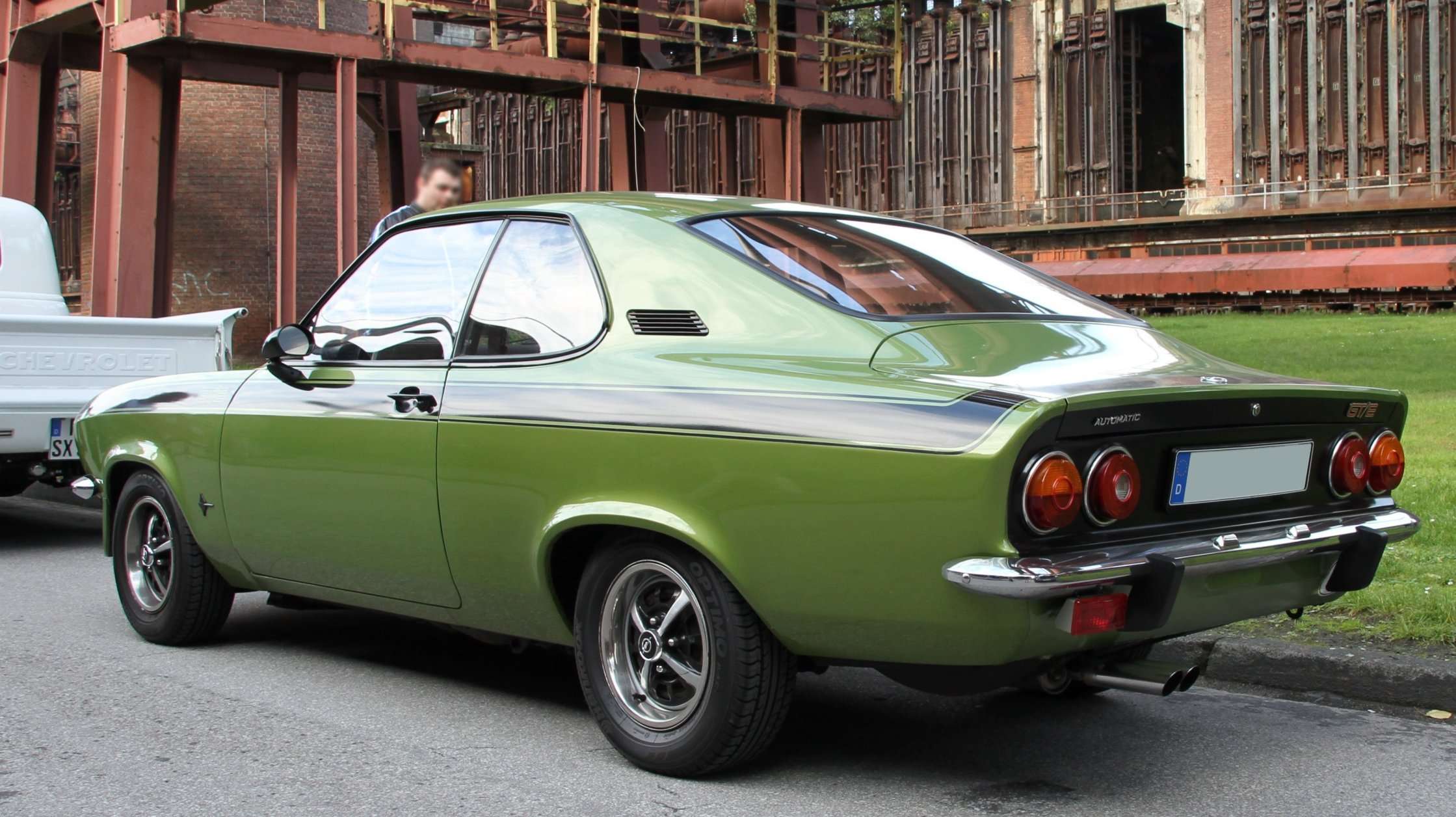
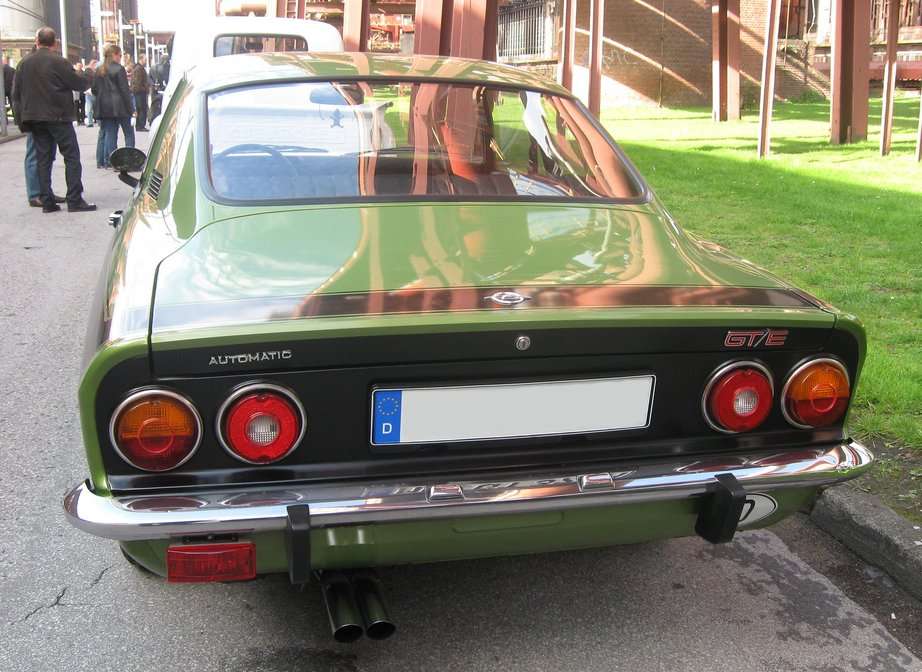
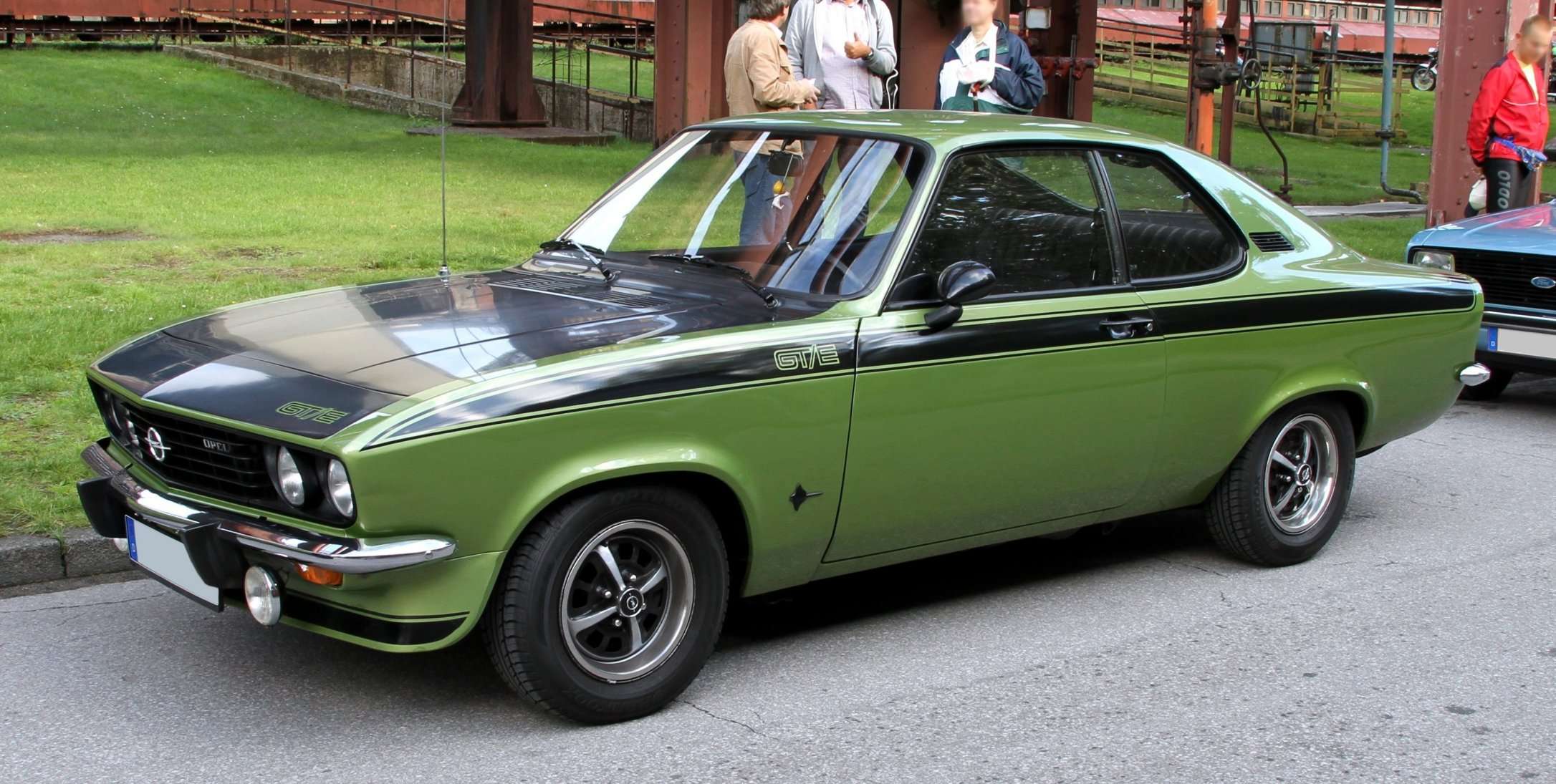
Opel Manta A GT/E

Subscribe to:
Posts (Atom)


